Online Quran Education for Children: 5 Parental Guidelines
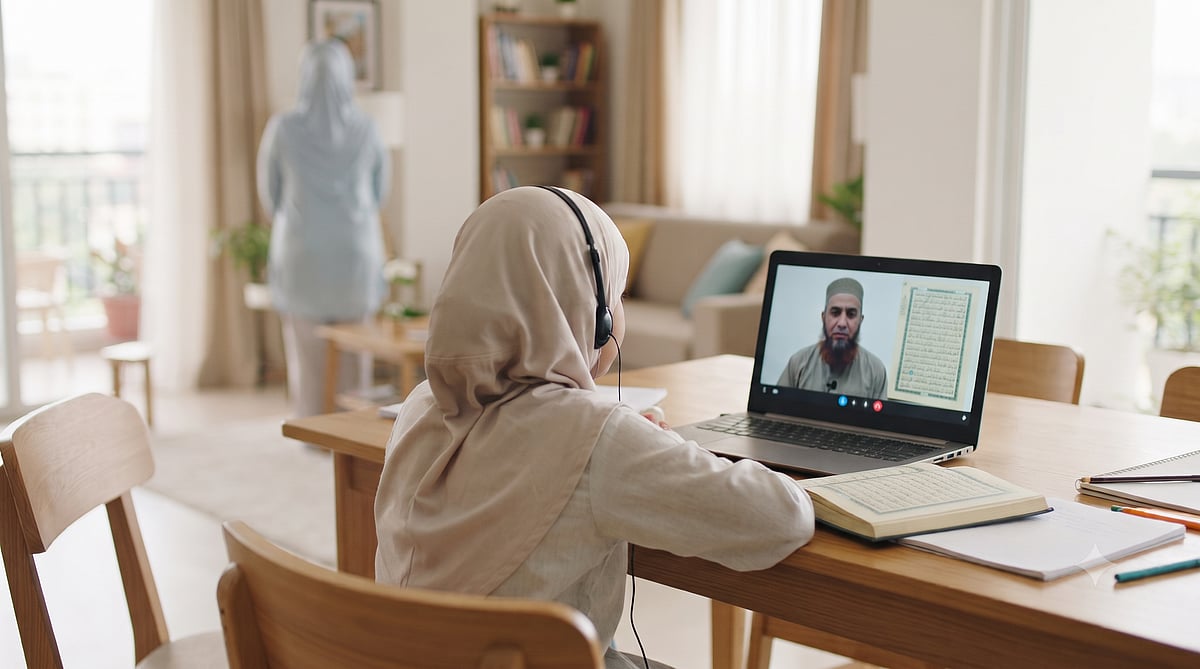
The article addresses the challenges and considerations for parents enrolling their children in online Quran education. It highlights the difficult reality that the 'Quran teacher' on the other side of the screen may not always be a safe individual. This truth is particularly hard for conservative societies to accept. The piece aims to provide parents with essential steps to ensure a secure and effective learning environment for their children. It emphasizes the need for vigilance and proactive measures to safeguard children during online religious education. The content suggests that while online learning offers convenience, it necessitates a higher degree of parental oversight. The article likely outlines specific actions parents should take, such as vetting instructors, monitoring sessions, and establishing clear communication channels. The underlying concern is the potential vulnerability of children in digital educational settings.
The shift towards online religious education for children, while offering accessibility, introduces inherent risks concerning child safety and instructor vetting. Conservative societal norms may present a barrier to open discussion and proactive safety measures, potentially leaving children more vulnerable. This situation underscores a broader societal challenge: balancing technological convenience with the paramount need for child protection in digital spaces. Future educational models must integrate robust safety protocols and transparent accountability mechanisms to build trust and ensure the well-being of young learners.
AI-generated to prompt reflection — not editorial opinion, not advice, not a statement of fact. How this works.