OPEC+ Increases Oil Production Amid Easing Strait of Hormuz Tensions
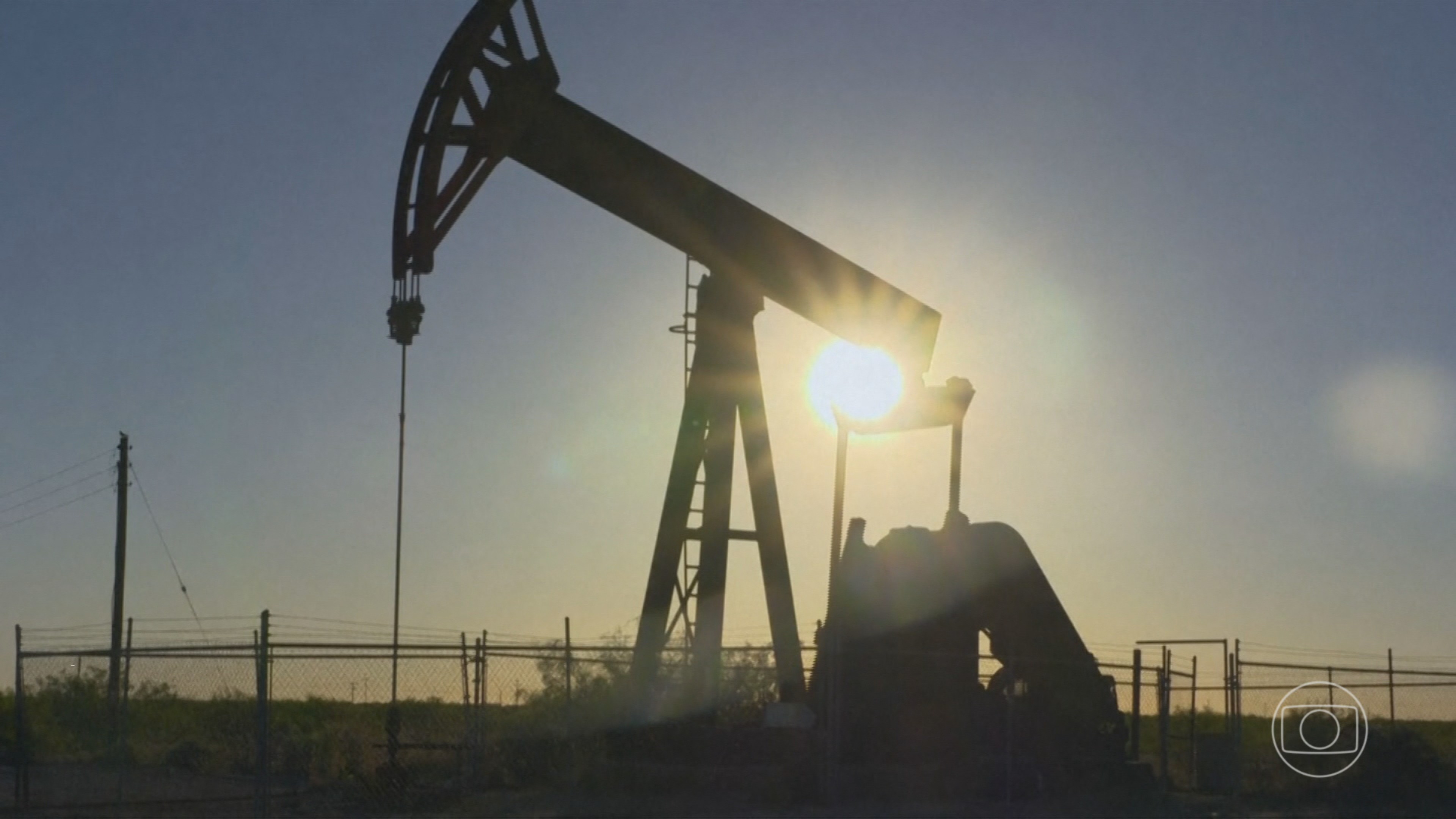
OPEC+, an alliance of OPEC nations and allies like Russia, has agreed to raise oil production targets starting in August. This decision will increase global supply as oil prices decline, partly due to the gradual reopening of the Strait of Hormuz for exports. The group decided during an online meeting to boost production quotas by 188,000 barrels per day in August, adding to previous increases in June and July. The seven key OPEC+ members, including Russia, had already increased their quotas by nearly 800,000 barrels per day between April and July. However, much of this planned increase was unrealized due to the conflict involving the U.S. and Iran, which had restricted tanker traffic through the Strait of Hormuz for major OPEC+ exporters like Saudi Arabia, Kuwait, and Iraq. OPEC+ production fell to 33.13 million barrels per day in May, a significant drop from 42.77 million barrels per day in February. Production began recovering in June, supported by U.S. efforts to help the UAE and other OPEC+ members increase exports, though output remains below pre-conflict levels. Despite supply disruptions, oil prices have returned to pre-conflict levels, influenced by reduced Chinese imports, increased exports from non-Middle Eastern producers, and a strategic global oil reserve release coordinated by the International Energy Agency. Analysts suggest the focus will remain on the Strait of Hormuz traffic and the pace of Chinese demand recovery. A potential U.S.-Iran understanding to end hostilities has also bolstered investor confidence in a return to normal supply levels. The group, comprising 21 members including Iran, faces internal challenges, such as the UAE's departure and Iraq's push for higher quotas. The UAE left in April to align its production capacity with actual output without group restrictions. The seven main producers will still need to reverse approximately 379,000 barrels per day of their original production cut after the UAE's exit.
The decision by OPEC+ to increase oil production targets, coupled with the easing of tensions and reopening of the Strait of Hormuz, signals a shift towards stabilizing global energy markets. This move appears to be a response to moderating oil prices, which had previously surged due to geopolitical conflict and supply fears. The alliance's ability to manage production levels, despite internal dynamics like the UAE's departure and Iraq's demands, highlights the complex interplay of national interests within the group. As the world navigates increasing energy demand alongside the transition to cleaner sources, OPEC+'s production decisions will continue to be a critical factor influencing market stability, inflation, and the pace of energy innovation over the next decade. The market's sensitivity to the Strait of Hormuz and Chinese demand underscores the interconnectedness of global energy flows and economic recovery.
AI-generated to prompt reflection — not editorial opinion, not advice, not a statement of fact. How this works.