OPEC+ to Increase Oil Production Quotas by 188,000 Barrels Per Day Amid Middle East Conflict
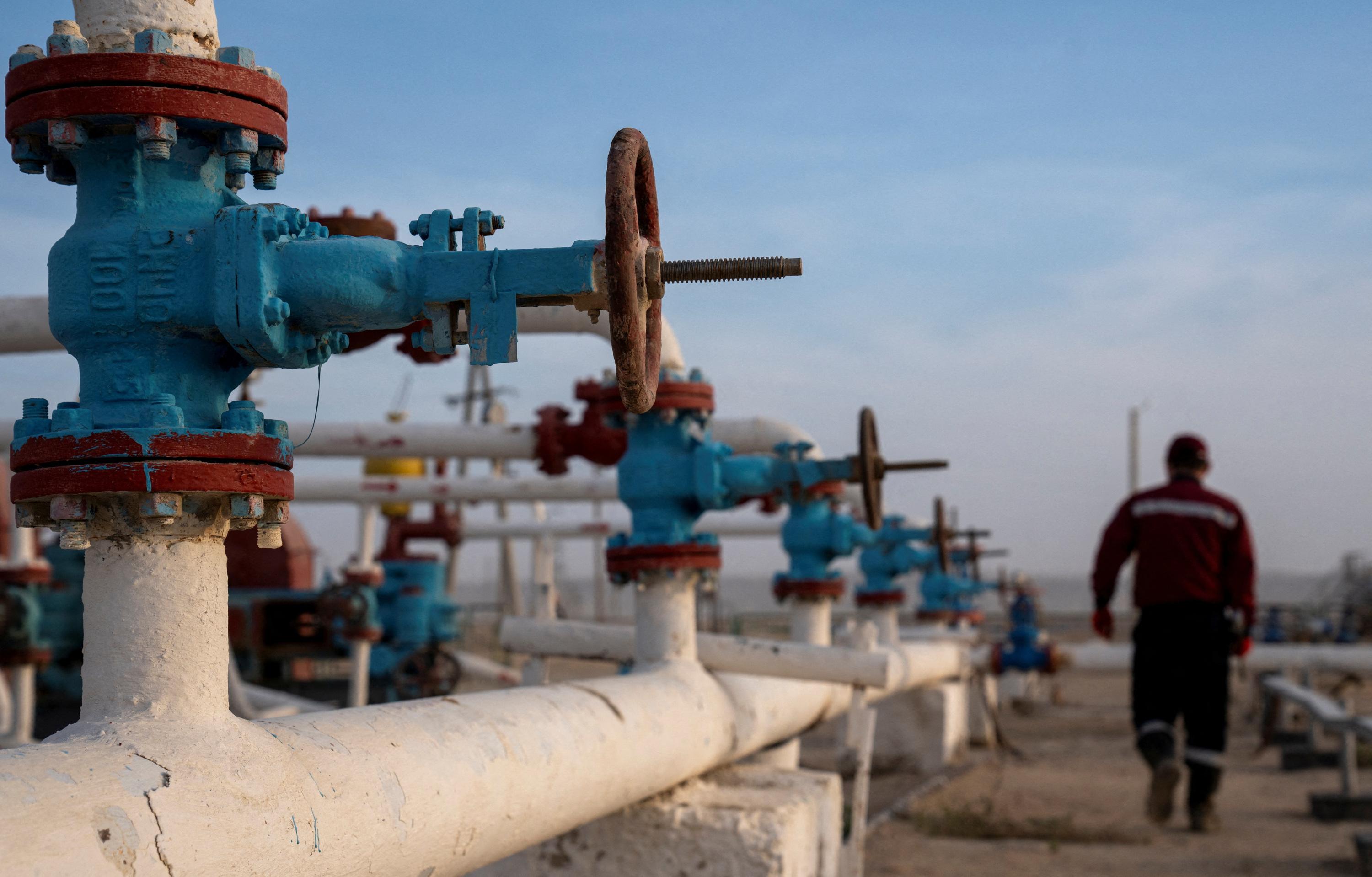
In response to the ongoing conflict in the Middle East, Saudi Arabia, Russia, and five other member nations of OPEC+ have agreed to raise their oil production quotas. This decision will result in an increase of 188,000 barrels per day for the month of September. The group's move comes as regional tensions escalate, potentially impacting global energy markets. The specific countries involved in this quota adjustment, beyond Saudi Arabia and Russia, were not detailed in the provided information. This decision by OPEC+ signals an attempt to stabilize supply amidst geopolitical uncertainty.
The decision by OPEC+ to marginally increase oil production quotas by 188,000 barrels per day, while framed against the backdrop of Middle East conflict, suggests a complex interplay of market stabilization and geopolitical signaling. This increase, though modest relative to global demand, could be interpreted as an effort to temper price volatility driven by supply disruption fears. However, the cartel's coordinated action also highlights its significant influence over global energy prices and its capacity to shape market conditions. The timing, coinciding with regional instability, raises questions about whether this move is primarily a response to market forces or a strategic maneuver to manage perceptions and potentially influence diplomatic outcomes. The long-term implications will depend on the duration of the conflict and OPEC+'s continued willingness to adjust production in response to evolving global dynamics.
AI-generated to prompt reflection — not editorial opinion, not advice, not a statement of fact. How this works.