OPEC Warns Against Using Energy Transition to Eliminate Oil and Gas
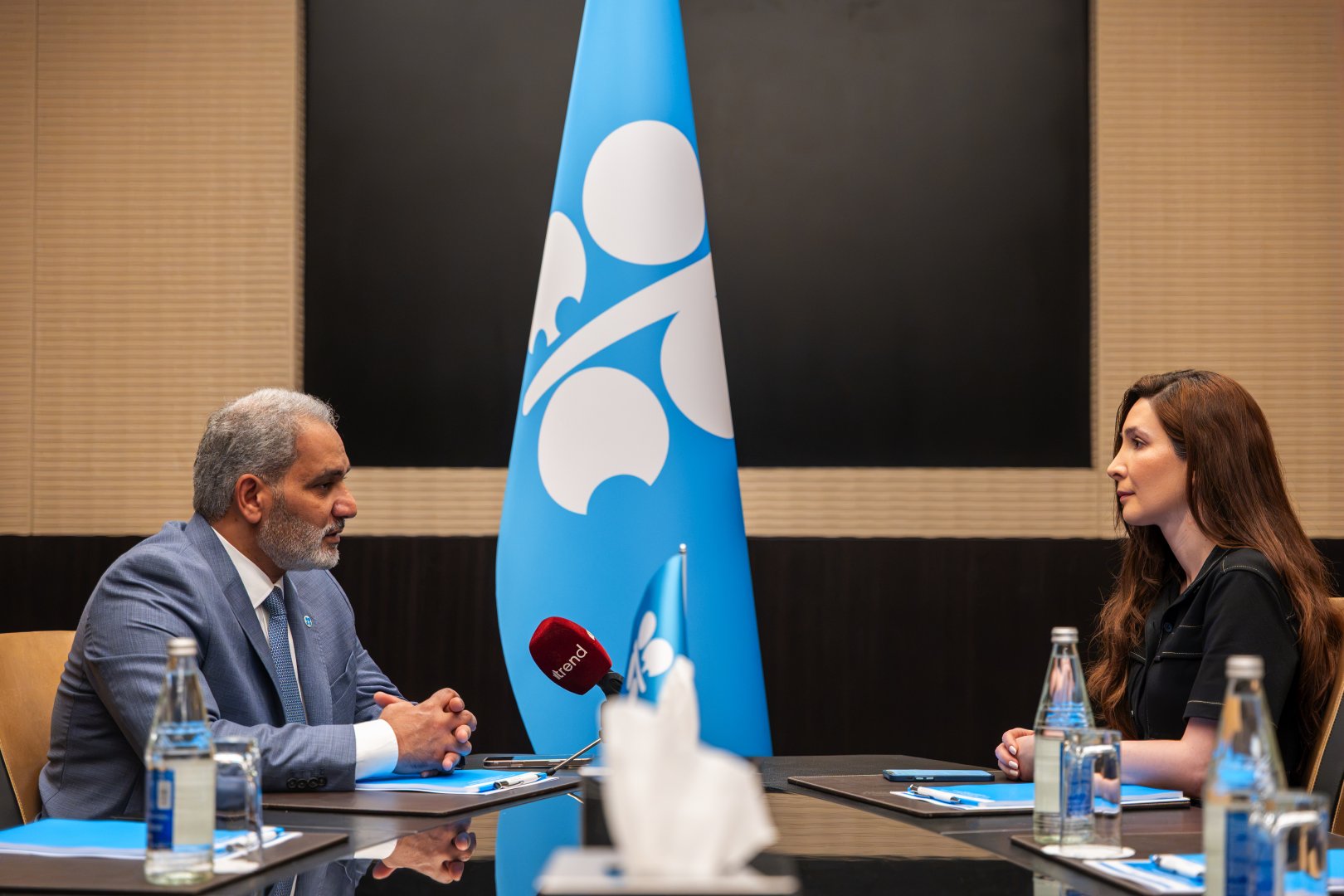
OPEC has issued a statement cautioning that the global energy transition should not be utilized as a tool to phase out oil and gas production. The organization emphasizes that such an approach could undermine energy security and economic stability. OPEC's stance suggests a concern that rapid or forced elimination of fossil fuels, without adequate sustainable alternatives, could lead to significant disruptions in global energy markets. The group advocates for a more balanced and pragmatic approach to the energy transition, one that considers the continued necessity of oil and gas in meeting global energy demands for the foreseeable future. This perspective highlights the ongoing debate between nations and organizations on the pace and methodology of shifting towards cleaner energy sources.
The Organization of the Petroleum Exporting Countries (OPEC) frames the energy transition as a potential threat to the continued relevance of oil and gas. This perspective likely stems from an incentive structure focused on maintaining market share and revenue from fossil fuel exports. By advocating against the 'elimination' of oil and gas, OPEC is implicitly calling for a slower, more managed transition that accommodates their existing infrastructure and economic models. This stance positions them as a counterpoint to rapid decarbonization efforts, suggesting that a balanced approach is necessary to avoid energy shortages and economic shocks. The long-term implications involve a potential conflict between fossil fuel producers' interests and global climate goals, highlighting the complex geopolitical and economic dynamics that will shape energy policy over the next decade.
AI-generated to prompt reflection — not editorial opinion, not advice, not a statement of fact. How this works.