OpenAI CEO Sam Altman Advocates for Controlled AI Development Pace
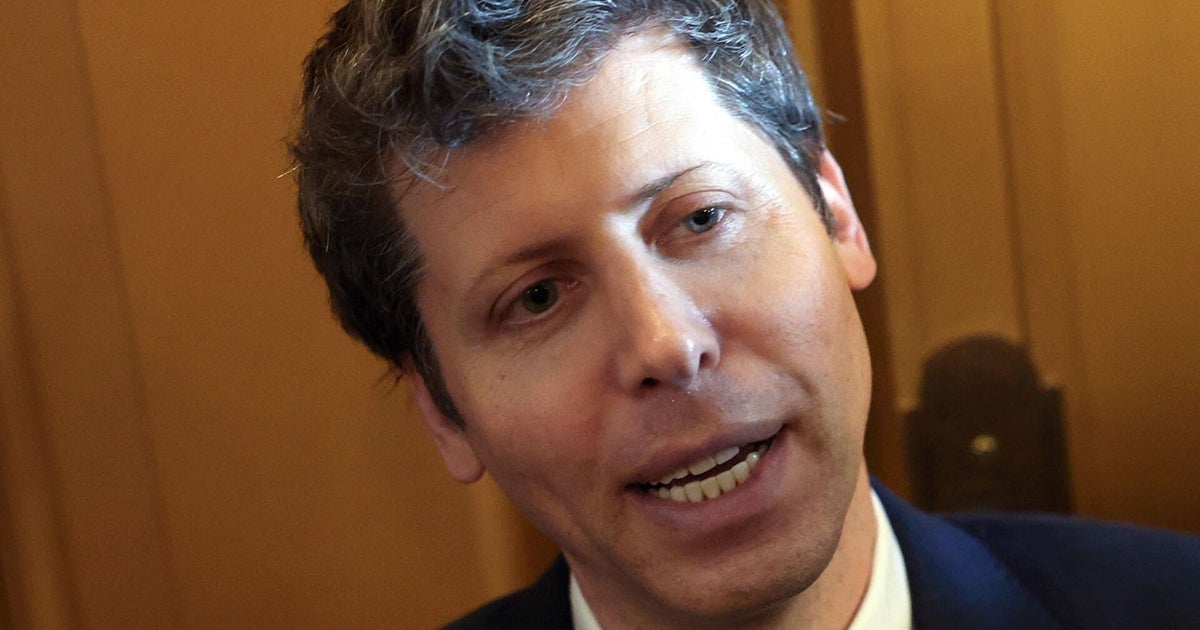
OpenAI CEO Sam Altman is advocating for a more measured approach to the development of artificial intelligence. This stance was discussed by Emily Birnbaum, a corporate lobbying reporter for Bloomberg News, on "The Daily Report." Altman's recent lobbying activities in Washington, D.C., are seen as significant for the broader AI industry. His public support for slowing down the pace of AI development signals a potential shift in how leading figures in the field view the rapid advancements. This discussion highlights the complex landscape of AI regulation and industry self-governance. Altman's position suggests a recognition of the profound societal implications of unchecked AI progress. The implications of his lobbying efforts and public statements are being closely watched by policymakers, tech companies, and researchers alike. The conversation underscores the growing debate around the responsible deployment and ethical considerations of artificial intelligence technologies.
Sam Altman's call for a slowdown in AI development, coupled with his lobbying efforts in Washington, D.C., reflects a strategic positioning within the rapidly evolving AI landscape. This approach may aim to influence regulatory frameworks, potentially creating advantages for established players like OpenAI by shaping the rules of engagement. Such a stance could also serve to manage public perception, mitigating fears of uncontrolled AI advancement while simultaneously positioning the company as a responsible steward of the technology. The inherent tension lies between fostering innovation and ensuring safety and societal alignment, a delicate balance that will likely define the next decade of AI governance and development. This dynamic highlights the critical need for transparent dialogue and robust, adaptable regulatory structures that can keep pace with technological progress without stifling beneficial innovation.
AI-generated to prompt reflection — not editorial opinion, not advice, not a statement of fact. How this works.