OpenAI Releases AI Security Tool, But Key Functionality Remains Restricted
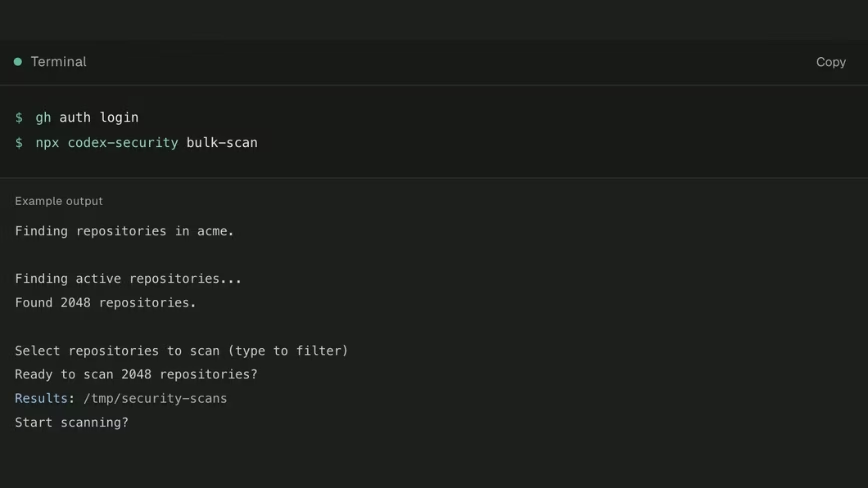
OpenAI has released an AI-powered tool designed to identify security vulnerabilities within software code. The tool, named Codex Security CLI, was quietly made available this week without a formal announcement. While the underlying code is publicly accessible under an open license, the core component responsible for actively detecting security flaws is still restricted. This means users can view the scanner's architecture but cannot utilize its primary function of hunting for vulnerabilities without OpenAI's explicit approval. The company's decision to "open-source" a tool with such limitations raises questions about the true extent of its openness. The full capabilities and implications of this release are still unfolding.
OpenAI's release of the Codex Security CLI presents a nuanced approach to open-sourcing security tools. By making the framework public while retaining control over the vulnerability detection engine, OpenAI may be balancing the desire for community contribution and transparency with the need to manage the responsible deployment of potent security technologies. This strategy could allow for broader code review and integration while mitigating risks associated with the unfettered release of advanced exploit-finding capabilities. The long-term impact will depend on OpenAI's criteria for granting access to the restricted component and how this model influences future open-source initiatives in AI security.
AI-generated to prompt reflection — not editorial opinion, not advice, not a statement of fact. How this works.