OpenAI Rolls Out ChatGPT for Health Records to US Users
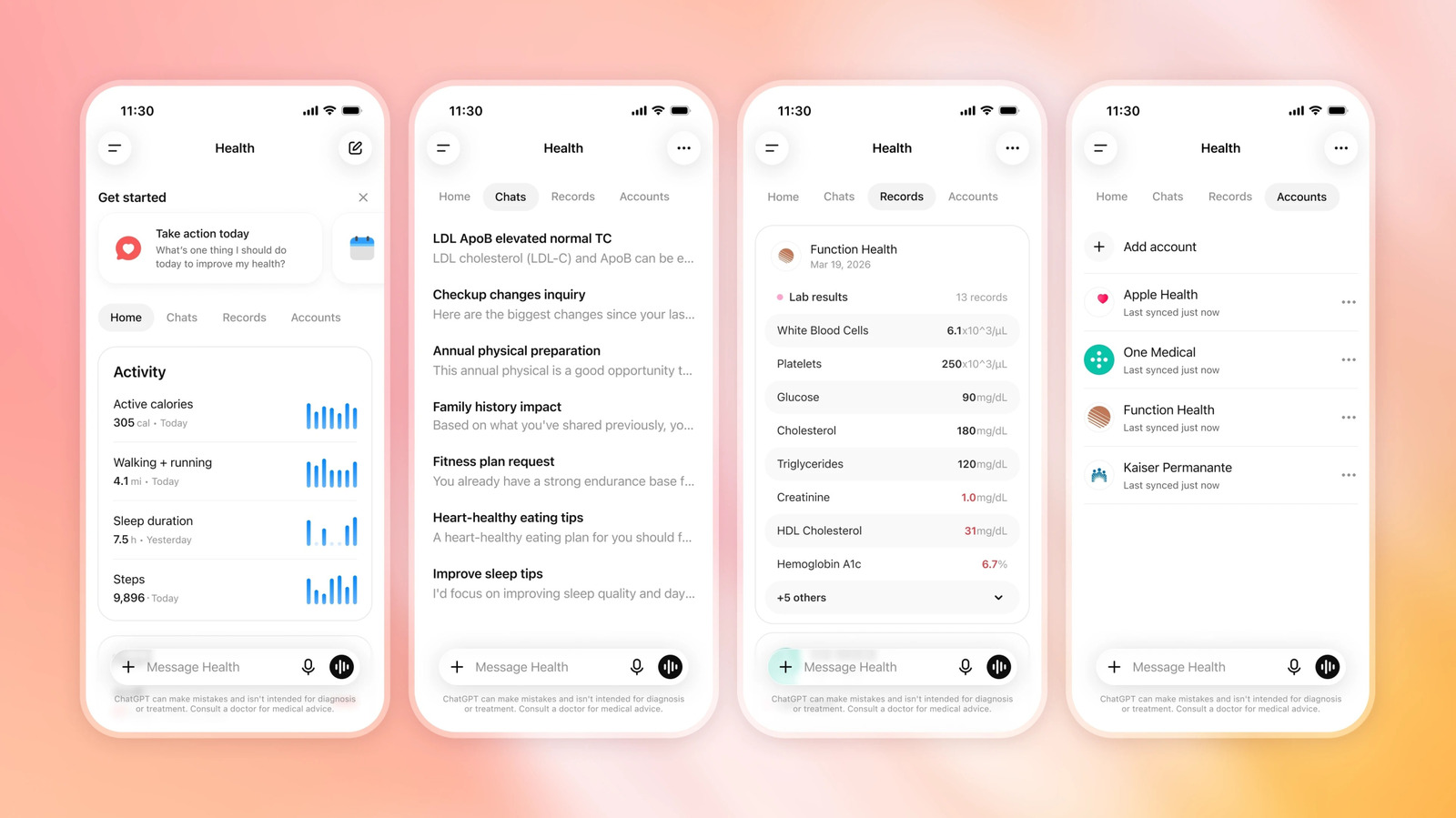
OpenAI has launched ChatGPT Health, a new service designed to handle sensitive health information, for users in the United States. The service is available to individuals aged 18 and older. This move by OpenAI signals a significant step into the healthcare sector, aiming to leverage its AI capabilities for personal health management. Users will be able to interact with ChatGPT to discuss health-related queries and potentially manage their health records. The company emphasizes that this service is being rolled out cautiously, with specific age and geographic restrictions initially in place. OpenAI's entry into this domain raises questions about data privacy, security, and the ethical implications of using AI for health-related discussions. The company has stated that it is implementing robust measures to protect user data and ensure compliance with healthcare regulations. The broader availability and impact of ChatGPT Health will likely depend on user adoption and the effectiveness of its privacy safeguards.
OpenAI's introduction of ChatGPT Health represents a significant market expansion, leveraging advanced AI for sensitive personal data. While promising enhanced health information access, the initiative necessitates rigorous scrutiny of data governance and privacy frameworks. The integration of AI into healthcare raises fundamental questions about algorithmic bias, the potential for misinformation, and the long-term impact on patient-provider relationships. Future developments will hinge on establishing robust ethical guidelines and regulatory compliance, balancing innovation with the imperative to protect user confidentiality and well-being. The success of such platforms will ultimately be measured by their ability to foster trust and demonstrably improve health outcomes without compromising fundamental rights.
AI-generated to prompt reflection — not editorial opinion, not advice, not a statement of fact. How this works.