OpenAI's Codex Relaunch Aims for Autonomous and Collaborative Workflows
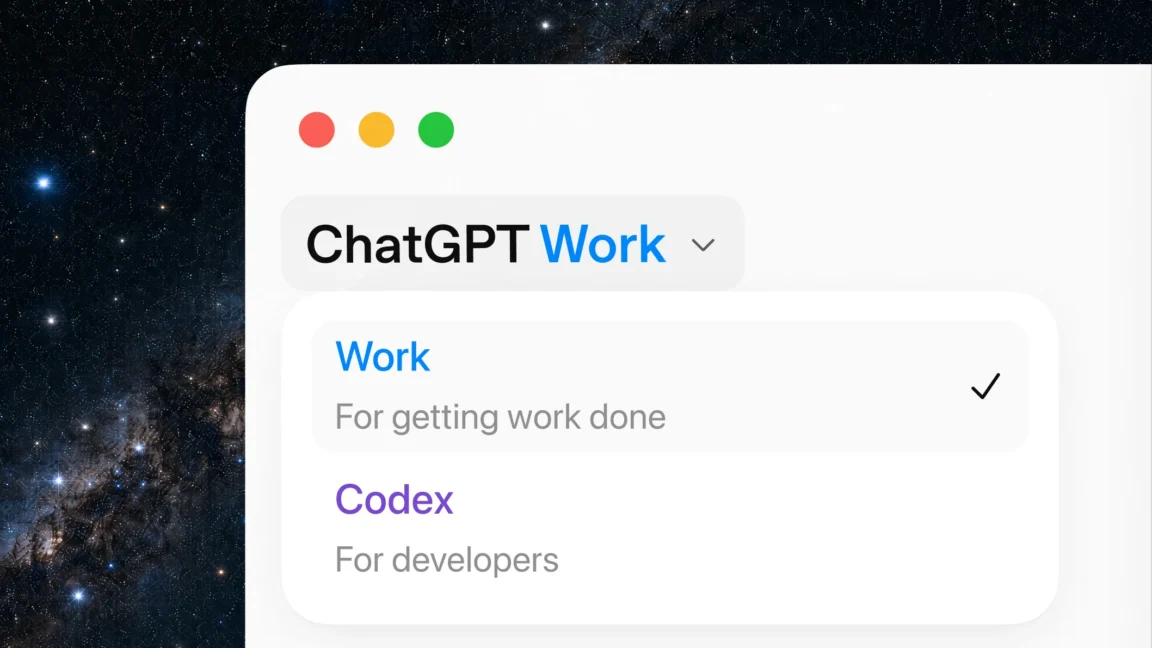
OpenAI has rebranded its Codex tool, now aiming to facilitate both independent and collaborative workflows. The updated Codex is designed to perform tasks autonomously, capable of running for extended periods, potentially "for hours if needed." This evolution suggests a move towards AI agents that can not only assist human users but also operate with a significant degree of self-sufficiency. The goal appears to be empowering users by offloading more complex or time-consuming tasks to the AI, thereby enhancing productivity and potentially redefining how work is structured. The ability for the tool to operate independently for extended durations indicates a focus on robust and reliable AI performance in real-world applications. This development could have significant implications for various industries, from software development to creative fields, by providing a more powerful and versatile AI assistant.
The relaunch of Codex signals a strategic shift towards AI systems capable of independent operation, moving beyond simple assistance to autonomous task execution. This development aligns with broader trends in AI research focused on agentic capabilities and long-term planning. The economic incentive for such tools lies in their potential to significantly boost productivity by automating complex processes. However, this also raises questions about the future of labor markets and the necessary societal adaptations for a workforce increasingly augmented or replaced by AI. The long-term implications will depend on the balance struck between AI autonomy and human oversight, as well as the development of ethical frameworks to govern these powerful tools.
AI-generated to prompt reflection — not editorial opinion, not advice, not a statement of fact. How this works.