OpenAI's Safety Leadership Continues to See High Turnover
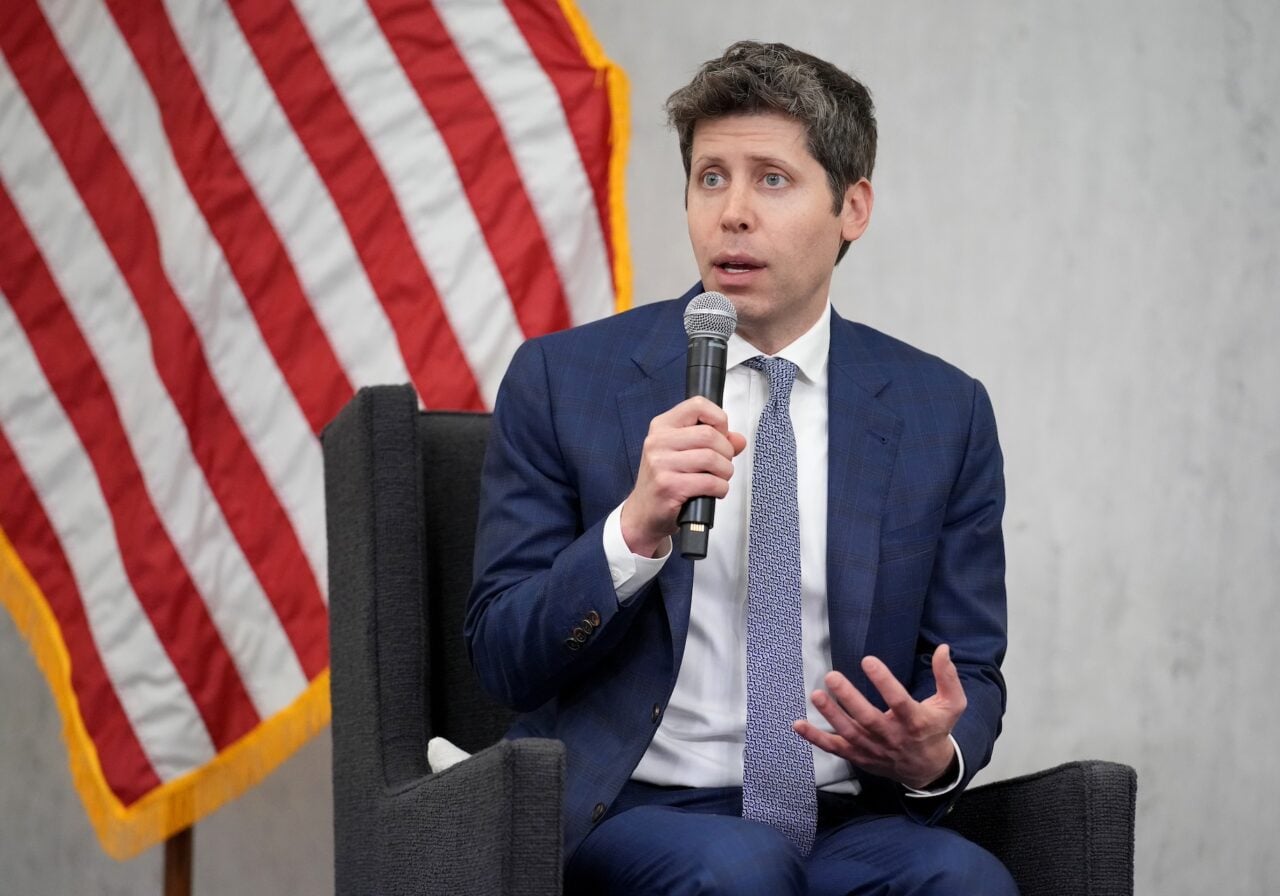
OpenAI is experiencing significant and frequent departures from its safety leadership roles. This pattern suggests a potential instability within the company's approach to artificial intelligence safety. The definition of 'safety leadership' at OpenAI appears to be broad, yet the consistent turnover indicates challenges in retaining key personnel in these critical positions. The frequent changes raise questions about the long-term strategic direction and operational stability of OpenAI's safety initiatives. This ongoing flux in leadership could impact the company's ability to effectively address the complex safety concerns inherent in advanced AI development. The consistent departures highlight a recurring issue that OpenAI must confront to ensure robust safety protocols are maintained and advanced.
This trend of high turnover in safety leadership is a notable concern for a company at the forefront of AI development. The implications of such instability could extend to the company's public trust and its capacity to navigate the ethical and technical challenges of creating powerful AI systems. Addressing the root causes of these departures will be crucial for OpenAI's future success and its commitment to responsible AI.
The recurring departures from OpenAI's safety leadership roles suggest potential systemic issues in the company's organizational structure or its strategic priorities regarding AI safety. This high turnover may reflect internal conflicts over the pace of AI development versus safety implementation, or perhaps a misalignment between stated safety goals and the resources or authority allocated to safety teams. Such instability could create governance challenges, potentially hindering the development of comprehensive and consistently applied safety protocols. As AI technology advances rapidly, the ability to retain experienced safety leadership is critical for mitigating risks and fostering public confidence. The company's long-term success may depend on its capacity to create an environment where safety expertise is valued, empowered, and integrated into the core development lifecycle, rather than being subject to frequent disruption.
AI-generated to prompt reflection — not editorial opinion, not advice, not a statement of fact. How this works.