OpenAI Unveils $230 Codex Micro Keyboard for AI Agent Control
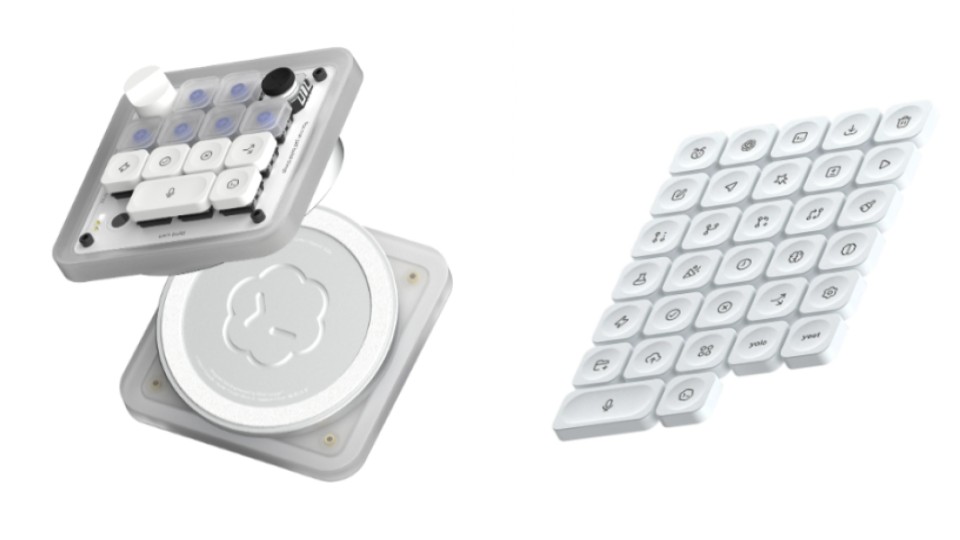
OpenAI, the company behind ChatGPT, has introduced the Codex Micro, a physical keyboard designed to control artificial intelligence agents. Priced at $230 (approximately R$ 1,175), the device was developed in collaboration with keyboard manufacturer Work Louder. It enables users to simultaneously monitor and manage multiple AI agents, which are programs capable of executing tasks autonomously. The keyboard features buttons and a joystick for navigation and command execution, aiming to streamline interactions with AI tools like Codex, OpenAI's AI agent for coding, document analysis, and workflow automation. Key functionalities include real-time monitoring of AI agent activity, customizable shortcut keys, a programmable joystick, adjustable AI reasoning levels for prioritizing speed or detail, and both Bluetooth and USB-C connectivity for Mac and Windows compatibility. The device also incorporates a color-coded lighting system to visually indicate the status of AI tasks without requiring users to open chat interfaces. Colors signify agent status: grey for inactive, green for available responses, blue for processing, orange for user approval needed, and red for errors. Additionally, it comes with 32 customizable extra keys. OpenAI positions the Codex Micro as part of its strategy to integrate AI agents more deeply into the workplace, facilitating complex tasks for professionals. The company notes that content and document creation is the primary use case for AI agents (72%), followed by engineering operations (47%) and code implementation (46%). OpenAI stated that with Codex integration, ChatGPT can now perform actual work across the web, mobile, and desktop environments. The Codex agent is reportedly used weekly by approximately 5 million people, a sixfold increase since its desktop application launch in February.
The introduction of the Codex Micro keyboard signifies a strategic move by OpenAI to bridge the gap between human users and increasingly sophisticated AI agents, particularly in professional settings. By offering a dedicated hardware interface, OpenAI aims to enhance user efficiency and control over complex AI-driven workflows, moving beyond purely conversational interactions. This development reflects a broader trend of companies seeking to optimize human-AI collaboration, potentially increasing productivity and enabling more advanced applications. The device's features, such as customizable controls and real-time status indicators, suggest a focus on reducing cognitive load and streamlining task management. As AI agents become more integrated into daily work, hardware solutions like the Codex Micro may become crucial for managing their capabilities effectively, presenting both opportunities for enhanced performance and challenges related to user adoption and integration into existing technological ecosystems.
AI-generated to prompt reflection — not editorial opinion, not advice, not a statement of fact. How this works.