Operation Distrato Uncovers Massive ICMS Tax Fraud Scheme in Brazil
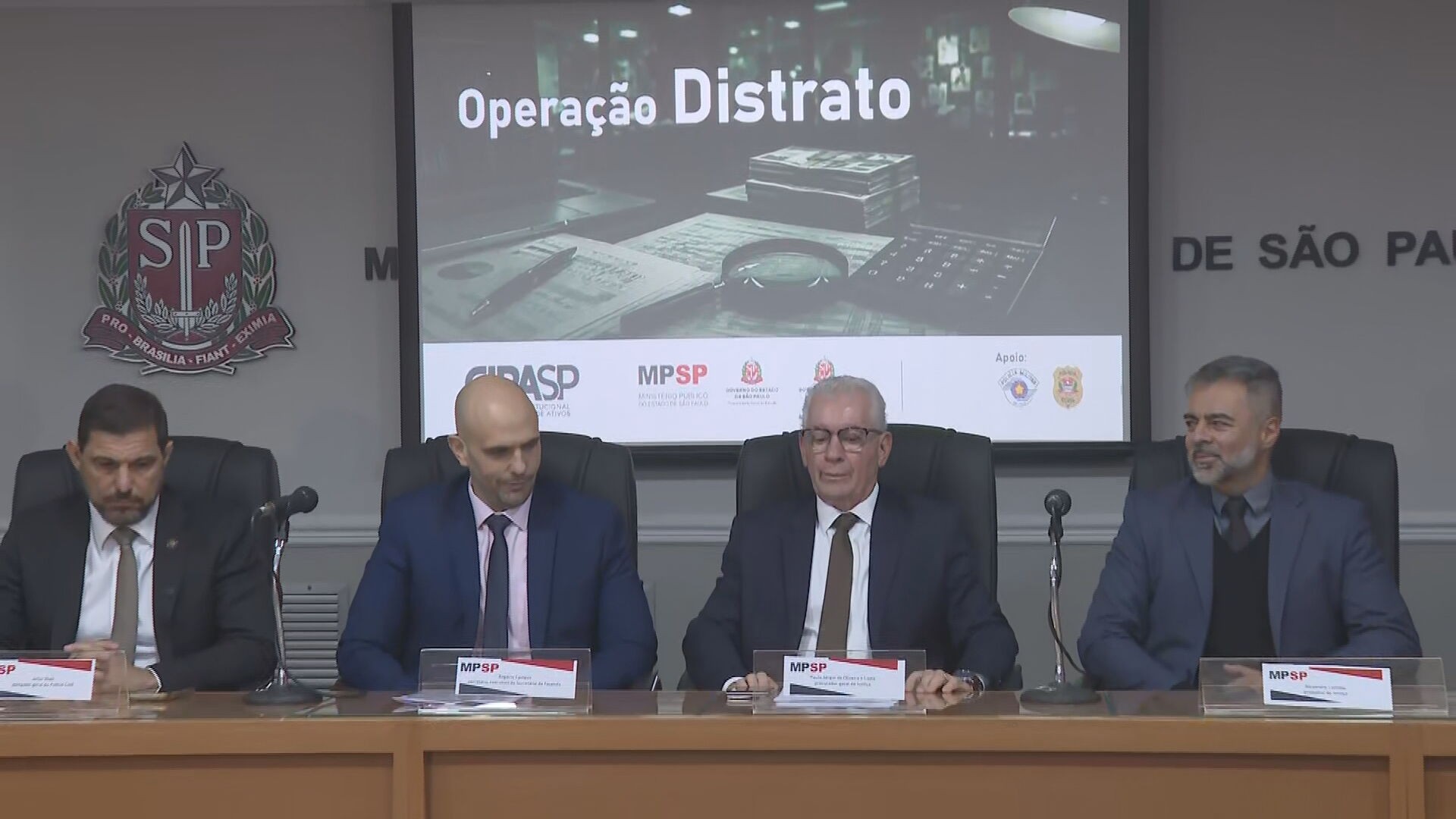
Brazilian tax authorities have launched "Operação Distrato" (Operation Distract) to investigate a sophisticated fraud scheme involving the sale of fake ICMS (state VAT) tax credits, potentially costing public coffers R$ 3.8 billion. Auditors from the São Paulo State Finance Secretariat revealed that a single company, under investigation, failed to pay approximately R$ 72 million in ICMS by utilizing irregular tax credits, paying only R$ 8 million of an expected R$ 80 million. The operation targets economic groups and law firms in São Paulo and Paraná, with 38 search and seizure warrants executed across several cities. The scheme allegedly involved law firms and consultancies approaching large companies with offers of "tax planning" services, promising reduced ICMS payments through the purchase of credits supposedly from bankrupt companies, expropriations, or old court rulings. To legitimize these transactions, fake documents were presented, and simulated approvals from the Finance Secretariat were created. In some instances, individuals posed as tax auditors in video conferences to deceive clients. The investigation, initiated in September 2025 after data analysis revealed significant drops in tax payments by various companies, also uncovered a secondary service where the same firms offered to resolve tax penalties using fabricated payment confirmations and fraudulent insurance policies. While some companies may have been unwitting victims, authorities are working to distinguish them from those who knowingly participated in the illegal tax reduction. The Finance Secretariat has initiated 874 fiscal service orders to analyze approximately 9,960 suspicious tax filings involving over 850 companies, with 752 already having been penalized.
The "Operação Distrato" highlights a systemic vulnerability in tax credit transfer mechanisms, which, when exploited, can lead to substantial revenue loss for states. The sophisticated nature of the fraud, including the use of fake documentation and impersonation, suggests a need for enhanced digital verification protocols and cross-agency data sharing to preemptively identify and flag anomalous transactions. The investigation's focus on differentiating between deceived companies and complicit actors points to the complex incentives driving corporate tax behavior, where the pursuit of reduced tax burdens can sometimes override due diligence. Looking ahead, the increasing integration of AI in tax auditing may offer more robust detection capabilities, but it also necessitates a proactive approach to securing the integrity of digital tax systems against evolving fraudulent techniques.
AI-generated to prompt reflection — not editorial opinion, not advice, not a statement of fact. How this works.