Operation "Empty Table" Investigates $1.95 Million Embezzlement of Food Baskets in MT
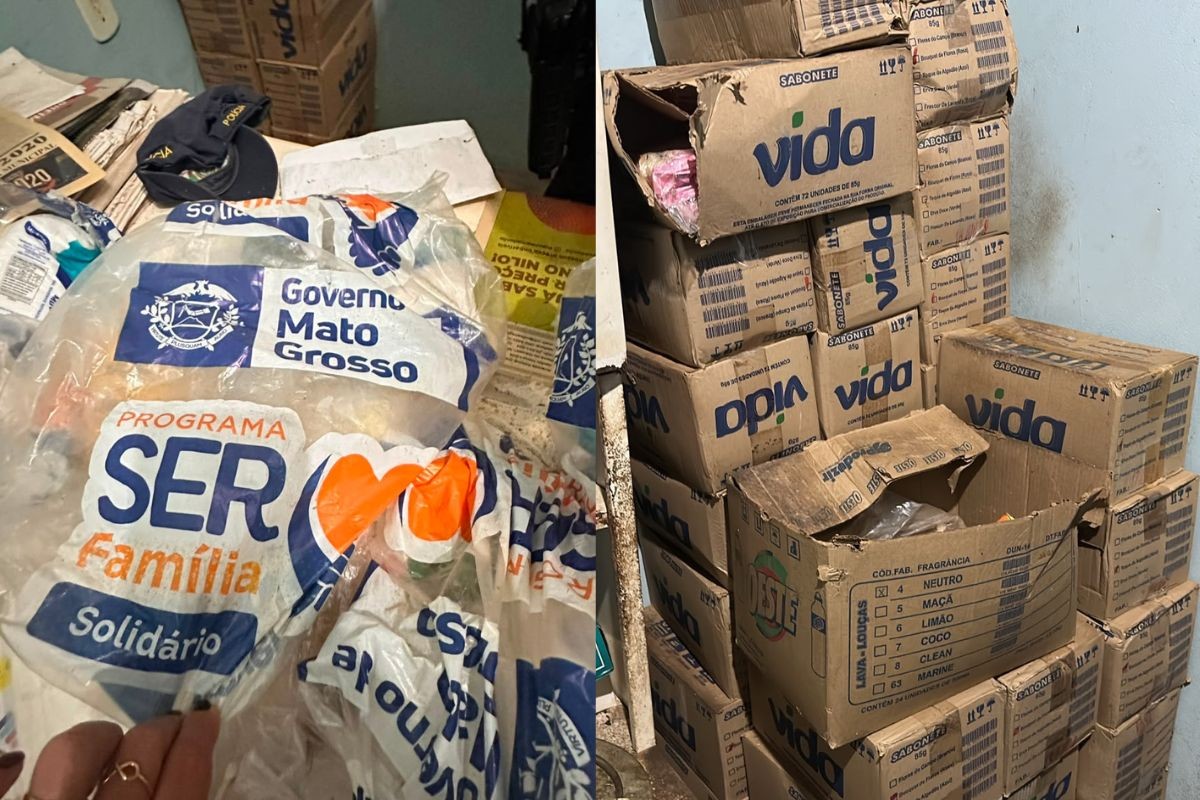
Operation "Empty Table" targeted city council members and other individuals in Barra do Garças, Mato Grosso, Brazil, on Friday, March 3rd. The operation is investigating an alleged scheme to divert approximately 13,000 food baskets and hygiene kits intended for vulnerable families. The estimated financial loss from this alleged embezzlement is R$ 1.95 million. The Civil Police have not yet released the identities of those involved. The investigation revealed that these products were part of the SER Família Solidário Program, managed by the State Secretariat of Social Assistance and Citizenship (Setasc). Normally, these supplies are distributed through public agencies, accredited entities, and registered beneficiaries.
However, authorities suspect that a portion of these essential supplies was rerouted into a parallel distribution system lacking institutional oversight and accountability. The police noted discrepancies between official delivery records and the actual quantities received by entity representatives. During the operation, search and seizure warrants were executed, along with orders for the lifting of confidentiality, removal from public office, and other precautionary measures. These measures include prohibiting contact among the investigated parties and restricting their access to locations related to the case. The scheme allegedly involved withdrawing goods from official distribution centers, primarily in Cuiabá, and transporting them to Barra do Garças. Instead of reaching public units or responsible institutions, the products were reportedly taken to private properties and association headquarters for irregular redistribution.
This operation exposes a potential systemic vulnerability in the distribution of social welfare goods, where institutional processes can be circumvented by a parallel flow of resources. The alleged scheme highlights the critical need for robust oversight mechanisms and transparent accountability frameworks within social assistance programs. Examining the incentive structures that might encourage such diversion, alongside the governance gaps that permit it, is crucial for preventing future misuse of public funds and ensuring aid reaches its intended recipients. The long-term implications involve not only financial loss but also a erosion of public trust in social support systems, particularly in the context of increasing societal needs and resource allocation challenges.
AI-generated to prompt reflection — not editorial opinion, not advice, not a statement of fact. How this works.