Operation Gutenberg Targets $27 Million Scheme in Health Fund Book Purchases in MS
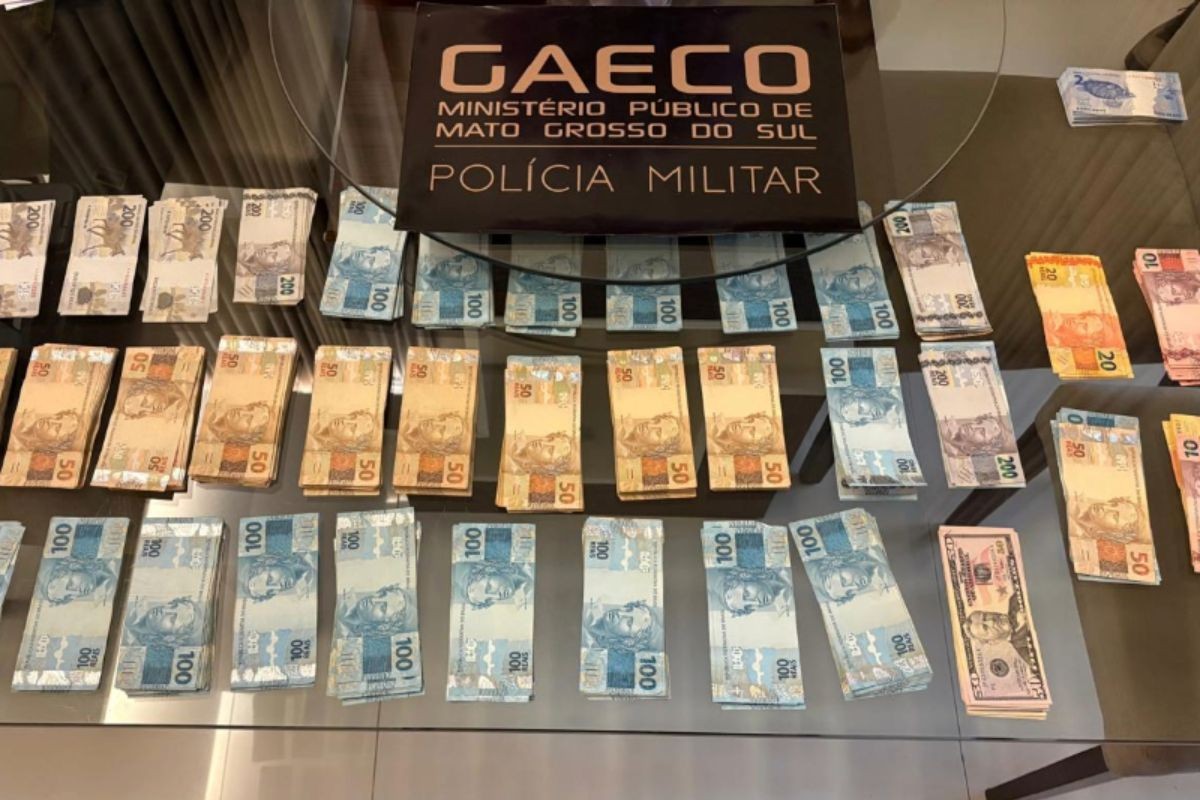
An extensive operation, dubbed "Gutenberg," was launched on Tuesday, November 7th, by the Special Action Group to Combat Organized Crime (Gaeco) of the Public Prosecutor's Office of Mato Grosso do Sul (MPMS). The operation involved 16 preventive arrest warrants and 43 search and seizure warrants executed across several cities, including Campo Grande, Dourados, and São Paulo. The investigation uncovered a criminal organization allegedly involved in defrauding public administration, including bid rigging, active and passive corruption, and money laundering. The group, reportedly based in Campo Grande, is accused of orchestrating a scheme to fraudulently acquire didactic books using public funds designated for healthcare. Public servants allegedly facilitated direct contracting, bypassing public bidding processes, to purchase these books. The total value of the contracts under investigation exceeds R$ 27 million. Funds were reportedly distributed among organization members, complicit public servants, and associated individuals and entities to conceal the illicit origin of the money. Investigations also suggest that health sector employees may have conditioned the authorization of medical exams, surgeries, and hospital beds on the purchase of books sold by the group. The MPMS stated that the organization remained active with ongoing contracts in multiple municipalities. The operation's name, "Gutenberg," alludes to the use of books as a facade for the illegal activities.
This operation highlights systemic vulnerabilities in public procurement, particularly when funds are channeled through non-competitive contracts. The alleged conditioning of essential healthcare services on book purchases points to a severe governance failure, where public trust and resource allocation are compromised for illicit gain. The scheme's scale, involving over R$ 27 million, suggests a well-entrenched network potentially exploiting regulatory gaps. Moving forward, strengthening oversight mechanisms, ensuring transparent bidding processes, and implementing robust internal controls within public health and education sectors are crucial. This event underscores the need for continuous vigilance against corruption and the importance of ethical conduct among public officials to safeguard taxpayer money and ensure equitable access to public services, especially in critical areas like healthcare.
AI-generated to prompt reflection — not editorial opinion, not advice, not a statement of fact. How this works.