Operation Nabs 11 Alleged Drug Trafficking Leaders in Brazil's 8th Most Violent City
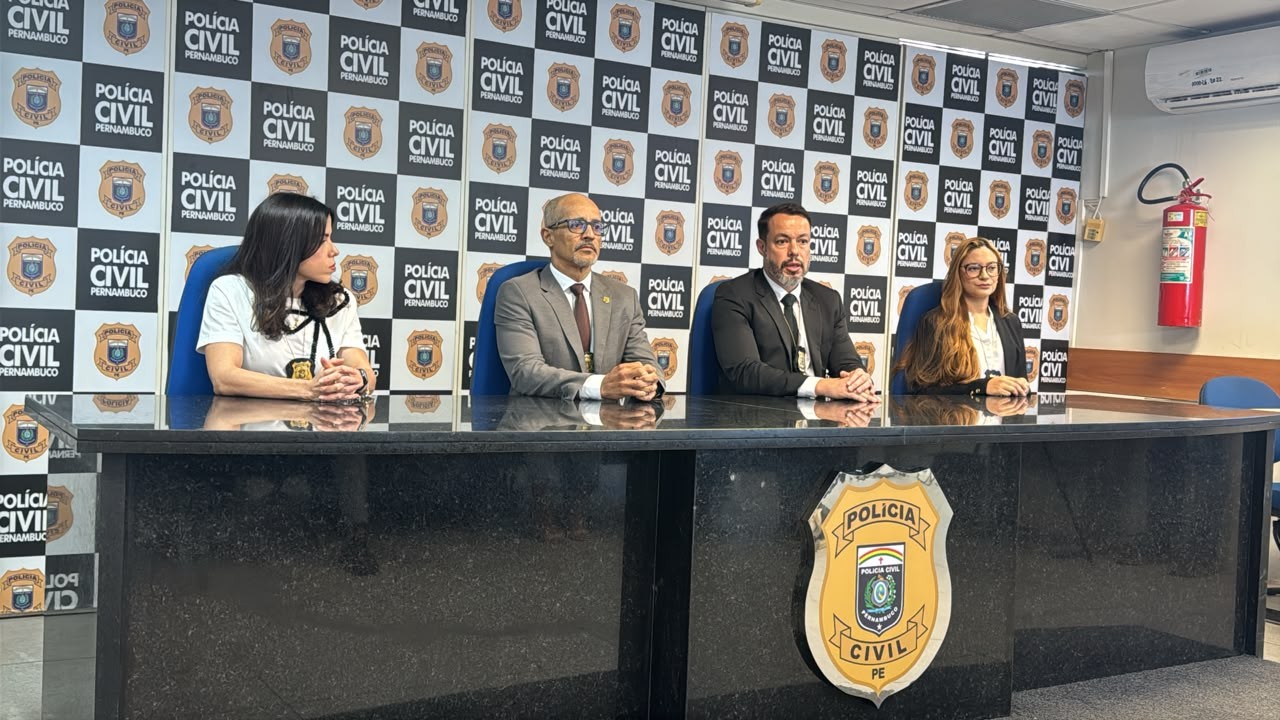
A significant operation by the Civil Police in Cabo de Santo Agostinho, located in the Greater Recife region of Brazil, has resulted in the arrest of eleven individuals accused of leading drug trafficking operations within the city. The arrests, detailed in a press conference on Friday, March 31st, targeted ten men and one woman who allegedly commanded distinct territories across various neighborhoods. The operation, named 'Narcos,' involved over 100 police officers to execute eleven arrest warrants. Additionally, one man was apprehended on-site for illegal firearm possession, bringing the total number of detainees to twelve. According to Delegate Myrthor Andrade, the extensive network of leaders across the large city necessitated such a large-scale police deployment. Andrade emphasized that drug trafficking is a primary driver of the city's high crime rates, noting that Cabo de Santo Agostinho ranked as the 8th most violent city in Brazil in 2025, with one of the highest homicide rates. The operation also extended to neighboring cities, Jaboatão dos Guararapes and Igarassu, where another woman, who had reportedly relocated from Cabo due to death threats, was arrested. Police investigations revealed that the targeted residences were fortified like 'fortresses' with reinforced doors and steel plates, designed to impede law enforcement access and protect against rival criminal elements. During the operation, three restricted-caliber firearms and a substantial quantity of cocaine were seized. All arrested individuals were transferred to the Narcotrafficking Repression Department (Denarc) in Recife. The 2025 Brazilian Public Security Yearbook highlighted Cabo de Santo Agostinho's 8th position among the nation's most violent cities, with a homicide rate of 65.1 per 100,000 inhabitants. The State Secretariat of Public Security (SDS) acknowledged the data, stating that the state and the city have shown progress, with police-related deaths accounting for only 3.3% of total violent deaths, the second-lowest rate nationally. Mayor Lula Cabral attributed the high homicide rates to the presence of criminal factions and narcotraficking activities, particularly around the Suape Port, while asserting that the state government holds primary responsibility for public security.
This operation targets a key node in the illicit drug trade, highlighting the persistent challenge of organized crime in Brazil's urban centers. The scale of the arrests and the fortified nature of the suspects' residences suggest a well-established criminal infrastructure. The city's ranking among the most violent in Brazil underscores the complex interplay between drug trafficking, territorial disputes, and overall public safety. Future strategies may need to address not only enforcement but also socioeconomic factors contributing to the proliferation of such activities and explore innovative approaches to urban security and community resilience in the face of persistent systemic challenges.
AI-generated to prompt reflection — not editorial opinion, not advice, not a statement of fact. How this works.