Operation 'Pão e Circo' Probes SC Politicians and Businessmen for Show Bidding Fraud
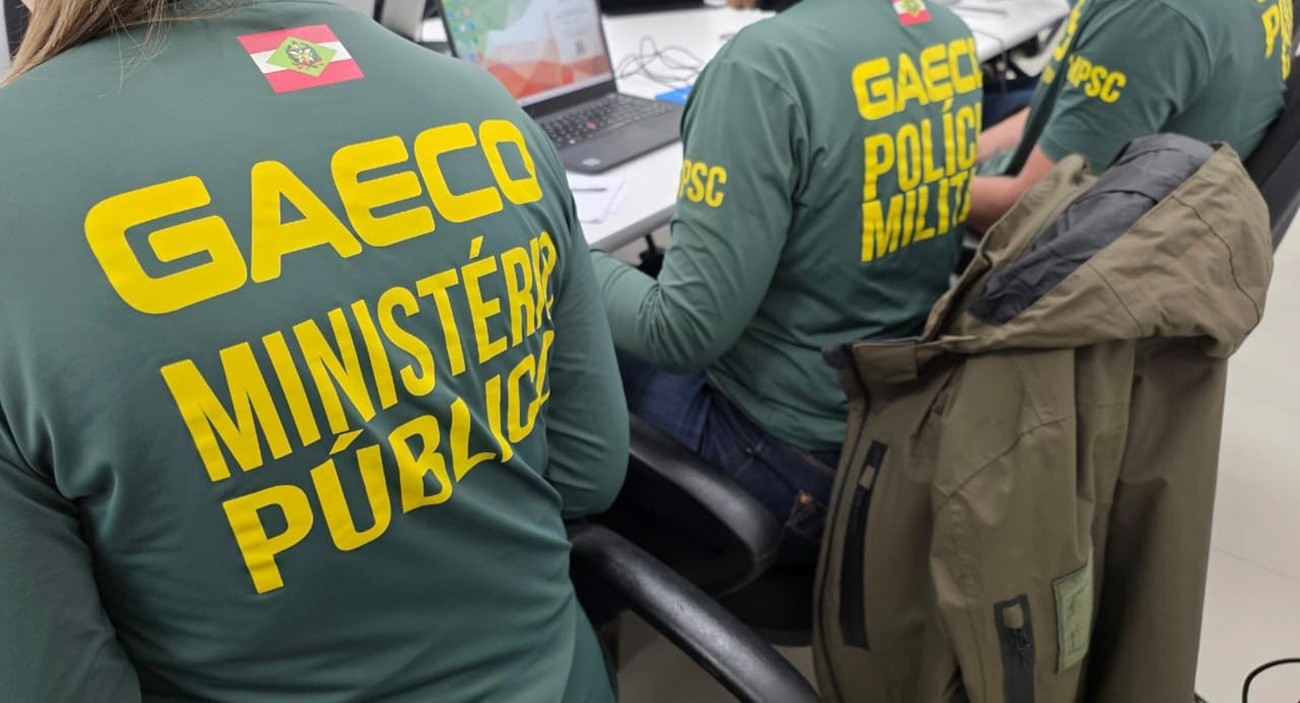
Brazil's Special Action Group to Combat Criminal Organizations (Gaeco) launched Operation 'Pão e Circo' on Tuesday, May 7th, targeting a suspected cartel of politicians and event sector businessmen in Santa Catarina. The group is accused of orchestrating bid-rigging schemes for entertainment shows across various municipalities in the state. The operation involves executing 50 search and seizure warrants across 18 cities in Santa Catarina and one in Rio Grande do Sul. Additionally, a preventive arrest warrant was issued for a businessman in Itapema, located on the state's North Coast. Beyond bid manipulation, the individuals under investigation are also suspected of engaging in bribery, both paying and receiving illicit payments to facilitate the scheme, and money laundering to conceal profits derived from these fraudulent activities. The investigations are underway in residences and public offices in Abdon Batista, Apiúna, Aurora, Bombinhas, Brusque, Canoinhas, Governador Celso Ramos, Indaial, Itaiópolis, Itapema, Laurentino, Mafra, Palhoça, Porto Belo, Pouso Redondo, Santa Terezinha, São Bento do Sul, and Três Barras. A warrant was also executed in Porto Alegre, Rio Grande do Sul. These judicial measures were authorized by the Santa Catarina Court of Justice (TJSC) due to the involvement of individuals with privileged jurisdiction. The investigation has led to several judicial actions against current and former public officials, business owners, and other parties, including the freezing of approximately R$ 9 million in assets and funds to ensure potential restitution to public coffers. Other precautionary measures include the removal of officials from their duties, prohibitions on contracting with public entities, restricted access to municipal offices, and limitations on contact between the accused and witnesses.
This operation highlights potential systemic vulnerabilities in public procurement processes for cultural events, particularly concerning the concentration of power and information asymmetry between organizers and bidders. The alleged cartel and bribery scheme suggest that incentive structures may have been misaligned, prioritizing private gain over public value and fair competition. Future governance frameworks could explore enhanced transparency mechanisms, independent oversight committees, and more robust auditing of contracts for public entertainment to mitigate risks of corruption and ensure efficient allocation of taxpayer funds. The involvement of individuals with privileged jurisdiction underscores the importance of accountability across all levels of public service and the private sector's role in upholding ethical business practices.
AI-generated to prompt reflection — not editorial opinion, not advice, not a statement of fact. How this works.