Operation Ragnarok Targets Drug Trafficking Ring in Brazil, Seizing Over R$10 Million
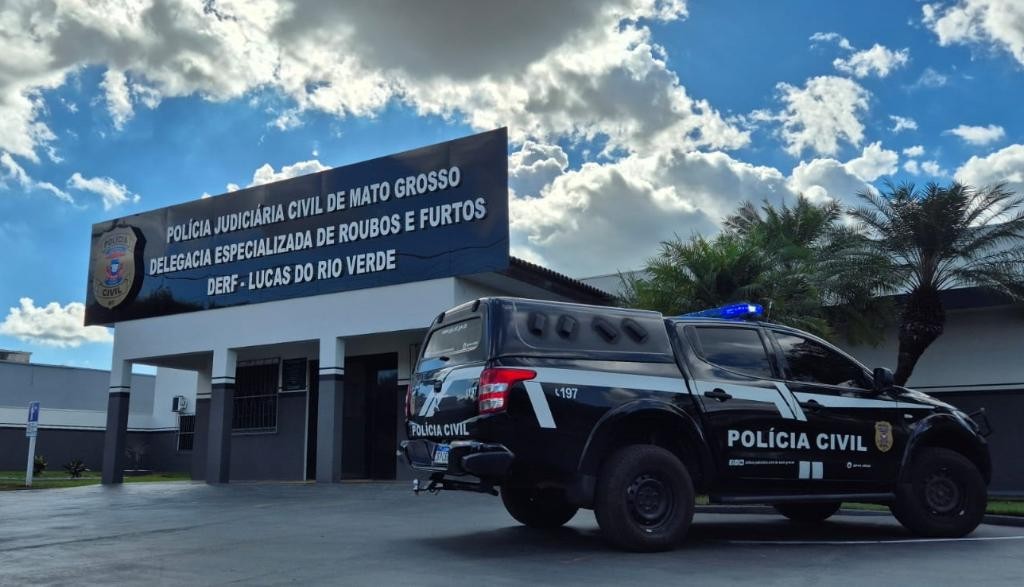
Brazilian authorities have launched "Operation Ragnarok," a significant law enforcement action targeting a criminal organization involved in drug trafficking, money laundering, and illegal firearm possession. The operation, conducted by the Civil Police on Friday, March 3rd, is executing 104 judicial orders in Lucas do Rio Verde and surrounding areas in the state of Mato Grosso (MT). Investigations revealed that the group has allegedly moved over R$10 million in approximately 11 months. The judicial measures include 55 pre-trial detention warrants, 34 search and seizure warrants, and 15 orders to block bank accounts linked to the suspects. These actions were authorized by the 5th Criminal Court of Sinop. The investigation began after two individuals were arrested for drug trafficking and illegal firearm possession between July and August 2025, uncovering an organized criminal structure with over 50 members involved in drug sales and illicit financial activities. A financial nucleus, including four women, was identified as responsible for managing funds from drug sales and related collections. Funds were moved between individuals and channeled through a shell company to obscure their illegal origins, with complex bank transfers designed to hinder tracing. Some members exhibited financial activity inconsistent with their declared income. According to lead investigator Paula de Fátima Moreira Barbosa, the money was distributed among various members before reaching a financial manager allegedly located in Rio de Janeiro state. The operation aims to apprehend suspects, gather further evidence, and dismantle the financial infrastructure supporting the drug trafficking operations, aligning with the "Zero Tolerance" program against criminal factions statewide.
Operation Ragnarok highlights the sophisticated financial mechanisms employed by criminal organizations to launder illicit proceeds from drug trafficking. The use of shell companies and complex inter-individual transfers underscores the challenges law enforcement faces in tracing and seizing these funds. Future efforts may benefit from enhanced cross-agency data sharing and advanced financial forensics to disrupt these networks more effectively. The operation's success in targeting financial infrastructure, rather than solely arrests, suggests a strategic shift towards dismantling the economic underpinnings of organized crime, a critical approach for long-term impact in the evolving landscape of illicit economies.
AI-generated to prompt reflection — not editorial opinion, not advice, not a statement of fact. How this works.