Opposition Criticizes Temporary Tax Regime for Investments
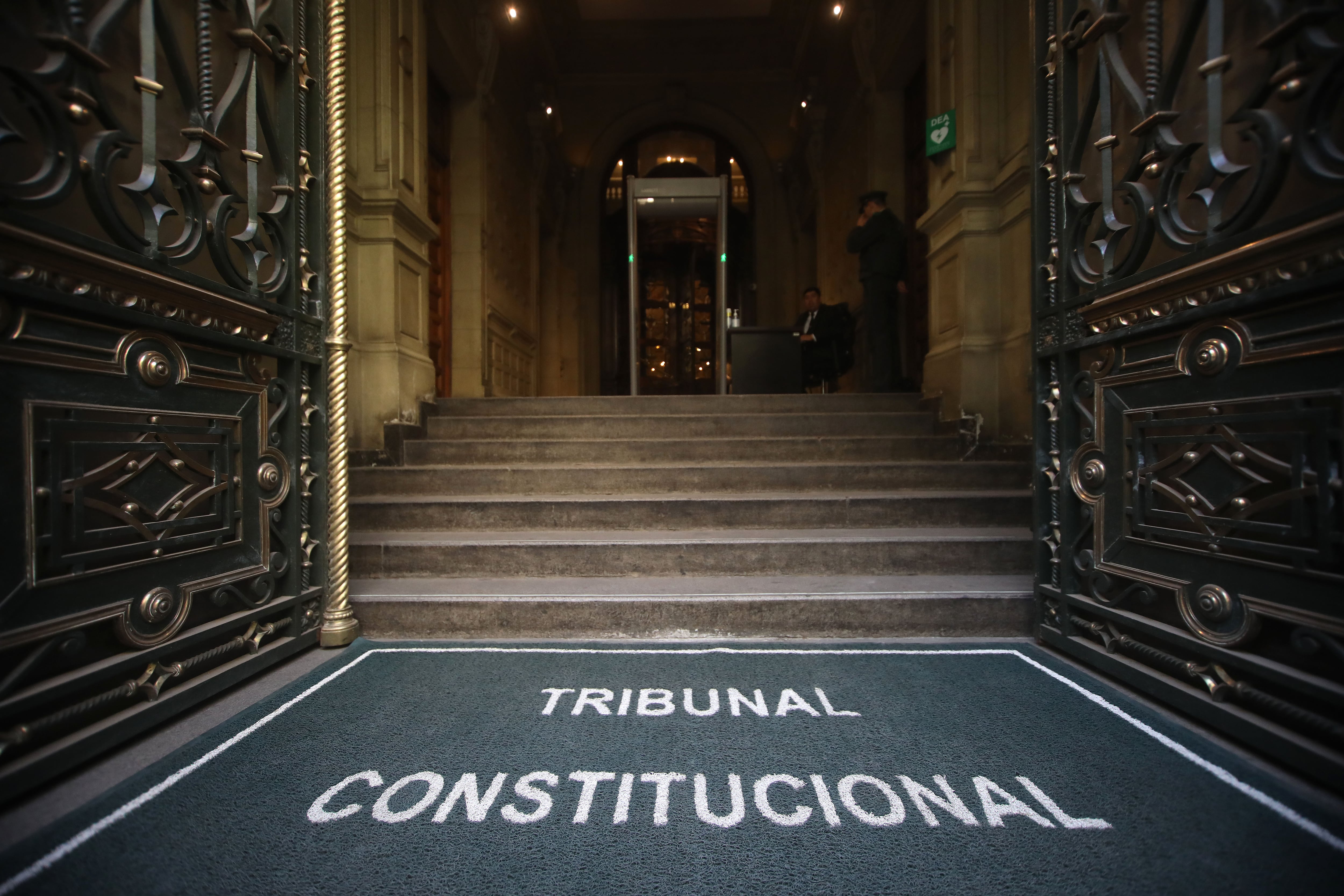
The opposition is raising concerns regarding a proposed temporary tax regime intended to encourage specific investments. Critics question how such a measure, aimed at promoting the common good, could potentially infringe upon the powers of Congress or violate constitutional precepts. The argument is being made that a democratically decided temporary tax system should not inherently affect the legislative body's authority.
Proponents of the tax regime emphasize its objective of fostering investments for the benefit of the entire community. They contend that the temporary nature of the tax and its focus on specific sectors do not pose a threat to constitutional frameworks or the established powers of the Congress. The debate centers on balancing economic incentives with concerns about legislative and constitutional integrity.
The debate highlights a common tension between fiscal policy tools designed to stimulate economic activity and concerns about maintaining constitutional balance and legislative authority. Introducing temporary tax regimes, while often intended to serve the public good by encouraging investment, can be perceived by opposition parties as potentially overstepping executive or legislative boundaries or setting precedents that could be misused. The core issue revolves around the interpretation of constitutional limits and the extent to which the government can implement targeted fiscal measures without undermining established governance structures. Future policy decisions will likely need to navigate these competing interests, balancing the immediate economic benefits of incentives against the long-term implications for institutional checks and balances and the potential for regulatory overreach in an evolving economic landscape.
AI-generated to prompt reflection — not editorial opinion, not advice, not a statement of fact. How this works.