Opposition Leader Expresses Dissatisfaction with Role, Cites Public Discontent
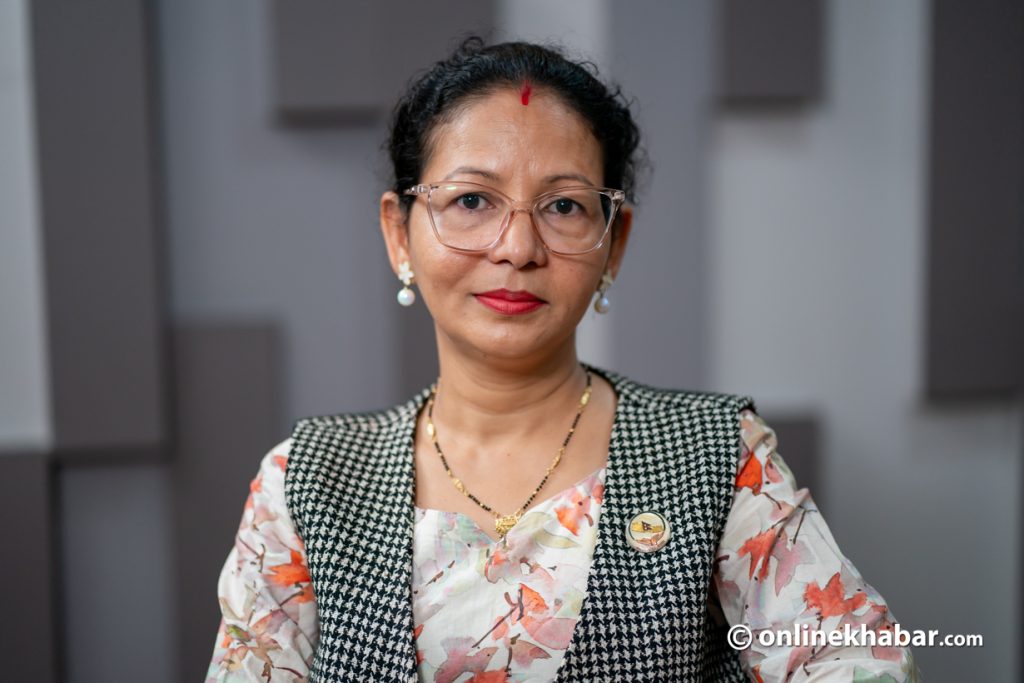
The leader of the opposition in Nepal has expressed personal dissatisfaction with their current role, stating that the public is demanding their votes back, an unprecedented situation. The opposition is perceived as having been too weak in its stance. The leader believes that a stronger presentation from the opposition could have prevented the significant suffering experienced by the landless community. This personal analysis suggests a need for a more assertive approach to effectively represent public interests and address pressing social issues.
The opposition's self-critique highlights a potential disconnect between their parliamentary actions and the public's perceived needs, particularly concerning the landless community. This situation underscores the challenge for opposition parties in translating political representation into tangible policy outcomes. A more robust and visible stance could enhance public trust and accountability, but the effectiveness of such strategies often depends on broader political dynamics and the government's responsiveness. Future political engagement may require innovative approaches to advocacy and coalition-building to address systemic inequalities and ensure that the voices of marginalized groups are effectively heard and acted upon.
AI-generated to prompt reflection — not editorial opinion, not advice, not a statement of fact. How this works.