Opposition Leader Files Privilege Motion Against MP Leu-Govind After Question Time
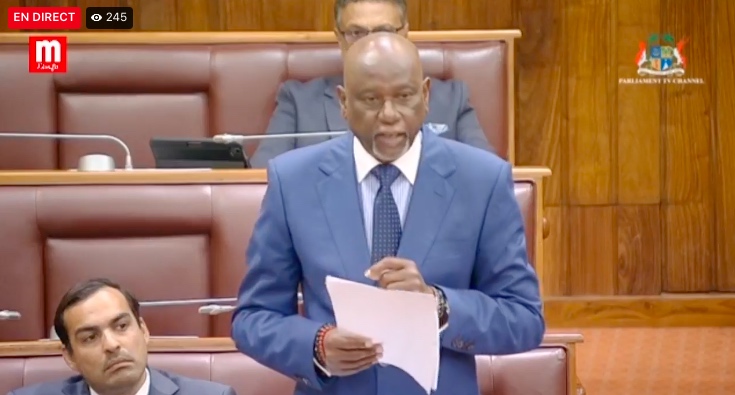
Opposition leader Joe Lesjongard submitted a privilege motion in the National Assembly on Tuesday, August 4th. This action follows the responses provided by Prime Minister Navin Ramgoolam during a Private Notice Question (PNQ) concerning the "Govind affair." Lesjongard's motion alleges that the events surrounding the third Member of Parliament, Leu-Govind, were mishandled. The PNQ specifically addressed issues related to this MP. The details of the motion suggest that Lesjongard believes parliamentary privilege may have been breached in the handling of the matter. The specific nature of the alleged breach is tied to the responses given by the Prime Minister. This development escalates the political tension surrounding the "Govind affair" within the National Assembly. Further proceedings will likely depend on the Assembly's decision regarding the privilege motion.
This parliamentary maneuver highlights the inherent tensions between government accountability and political strategy. The filing of a privilege motion suggests a perceived procedural or ethical lapse in how the "Govind affair" was addressed during the PNQ. Such actions can serve to scrutinize governmental responses and potentially influence public perception. From a systems perspective, the legislative branch's power to question and hold the executive accountable, even through procedural mechanisms like privilege motions, is a critical check. The long-term implications may involve adjustments to parliamentary procedures or increased scrutiny of how sensitive matters are handled in public forums, particularly in the lead-up to future electoral cycles.
AI-generated to prompt reflection — not editorial opinion, not advice, not a statement of fact. How this works.
