Opposition Leader Questions Government's Anti-Corruption Drive
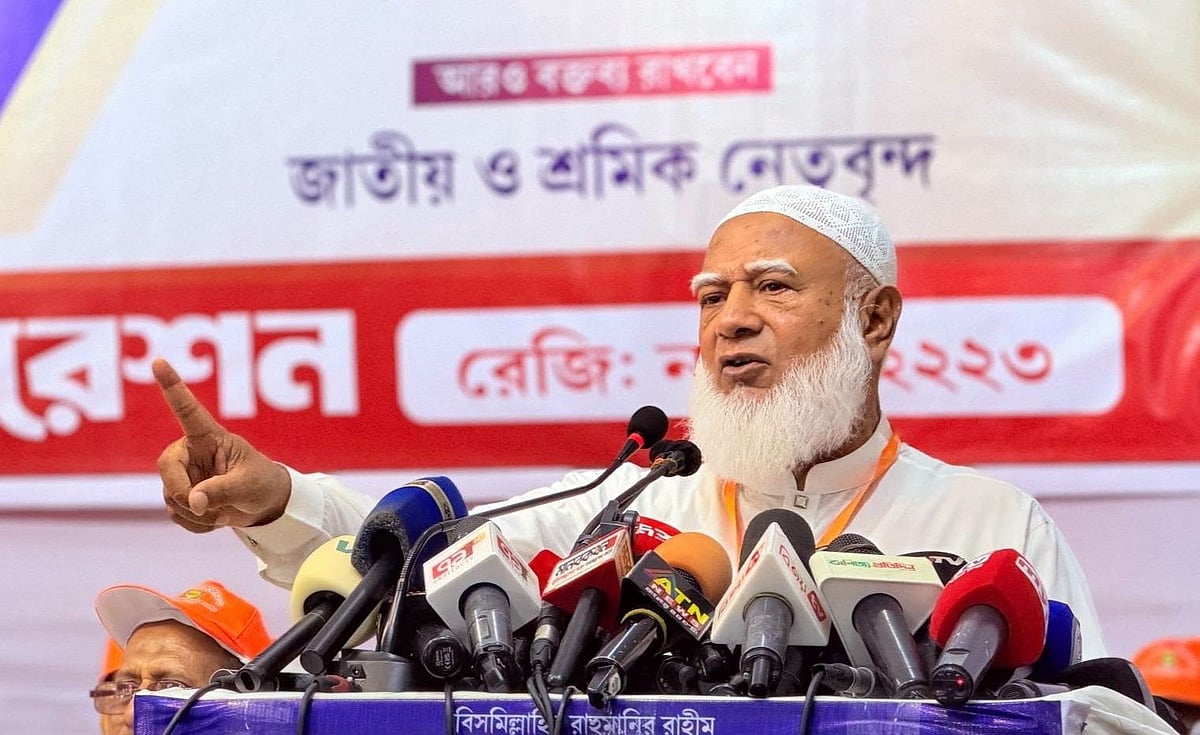
The opposition leader in parliament has questioned the sincerity of the ruling Bangladesh Nationalist Party (BNP) in combating corruption. He raised concerns about why corruption persists if all actions are dictated by Tarique Rahman. The opposition leader urged the government to abandon recklessness. He warned the government against hasty decisions and called for a more thoughtful approach to governance. The statement implies a lack of genuine commitment to anti-corruption measures from the current administration. The opposition leader's remarks highlight a significant political divide on the issue of corruption and accountability within the country. He emphasized the need for concrete actions rather than mere rhetoric.
The opposition leader's statement frames the ruling party's anti-corruption efforts as potentially insincere, suggesting a disconnect between stated goals and observed outcomes. By attributing decision-making to a specific individual, the critique points to potential centralized control issues that may hinder systemic reform. This perspective invites consideration of governance structures and accountability mechanisms. The call to avoid recklessness suggests a preference for deliberate policy-making over politically expedient actions. Evaluating the government's approach requires examining both its stated intentions and the tangible results of its anti-corruption initiatives, considering the broader political and institutional context.
AI-generated to prompt reflection — not editorial opinion, not advice, not a statement of fact. How this works.