Opposition Parties Propose New Bill to Expand Minamata Disease Relief
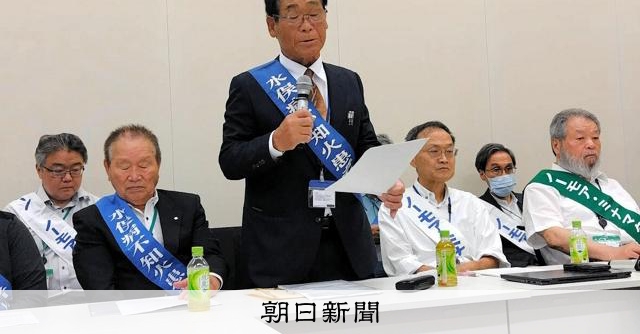
Opposition parties in Japan have submitted a new bill aimed at expanding the scope of relief for victims of Minamata disease. This mercury poisoning illness, caused by industrial wastewater discharged by the Chisso Corporation, has had devastating health consequences for decades. The proposed legislation seeks to provide compensation and medical support to individuals who were previously excluded from relief programs. Previous attempts to pass similar legislation have failed, with past bills being shelved. The new bill represents a renewed effort by opposition lawmakers to address the ongoing suffering of those affected by the disease and to ensure broader recognition and support for all victims. The specifics of the expansion and the criteria for eligibility under the new bill are expected to be a focal point of legislative debate. This move comes after years of advocacy by victims' groups and legal challenges seeking justice and adequate compensation.
The reintroduction of a bill to expand Minamata disease relief highlights the persistent challenges in addressing historical environmental disasters and their long-term human impact. While the proposed legislation aims to rectify past oversights in victim compensation, the recurring legislative hurdles suggest underlying complexities. These may include the financial burden on the state or responsible corporations, the difficulty in definitively linking all past health issues to the original pollution, and the political will required to overcome entrenched interests. Future legislative efforts will likely need to navigate these systemic issues, balancing the imperative of victim redress with fiscal responsibility and evolving scientific understanding of chronic environmental health effects. The long-term implications for corporate accountability and environmental regulation in Japan will be shaped by the success or failure of such initiatives.
AI-generated to prompt reflection — not editorial opinion, not advice, not a statement of fact. How this works.