Opposition Rejects Ishin's Focus on Diet Seats and Sub-Capital, Far From "Quiet Environment"
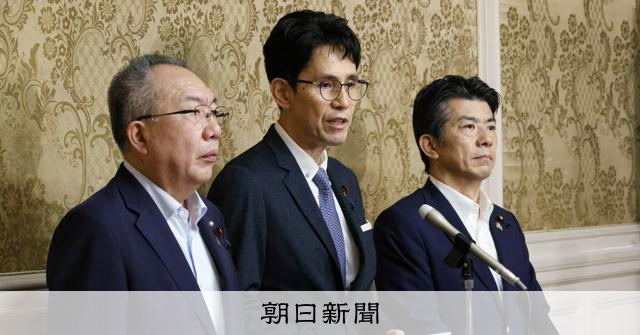
The Japanese political landscape is experiencing friction as the Japan Innovation Party (Ishin) insists on discussing the number of seats in the Diet and the establishment of a sub-capital. This stance has drawn strong opposition from other political parties, who argue that such discussions are premature and disruptive. Critics contend that Ishin's focus on these specific issues detracts from more pressing national concerns and creates an environment far from the "quiet environment" necessary for constructive political deliberation. The opposition parties believe that prioritizing these agenda items by Ishin is a strategic move that could potentially overshadow other critical policy debates. They are calling for a broader consensus on the national agenda before delving into such potentially divisive topics. The disagreement highlights a fundamental difference in political priorities and approaches among Japan's major parties.
The political debate surrounding Ishin's agenda items, specifically the number of Diet seats and the concept of a sub-capital, reveals a divergence in strategic priorities among Japanese political factions. While Ishin may be leveraging these issues to assert its distinct policy platform and potentially reshape the political landscape, the opposition's resistance suggests a concern over governance stability and the allocation of political capital. The push for a sub-capital, in particular, raises questions about long-term urban planning, resource distribution, and the potential for regional economic disparities. From a systems perspective, such proposals can be viewed as attempts to address perceived inefficiencies or imbalances within the current governmental structure, but their viability hinges on broad public and political consensus, robust cost-benefit analyses, and a clear understanding of their implications for national resilience and administrative continuity in the coming decade.
AI-generated to prompt reflection — not editorial opinion, not advice, not a statement of fact. How this works.