Opposition's Political Strategy Lacks Cohesion, Compared to Disorganized Football Team
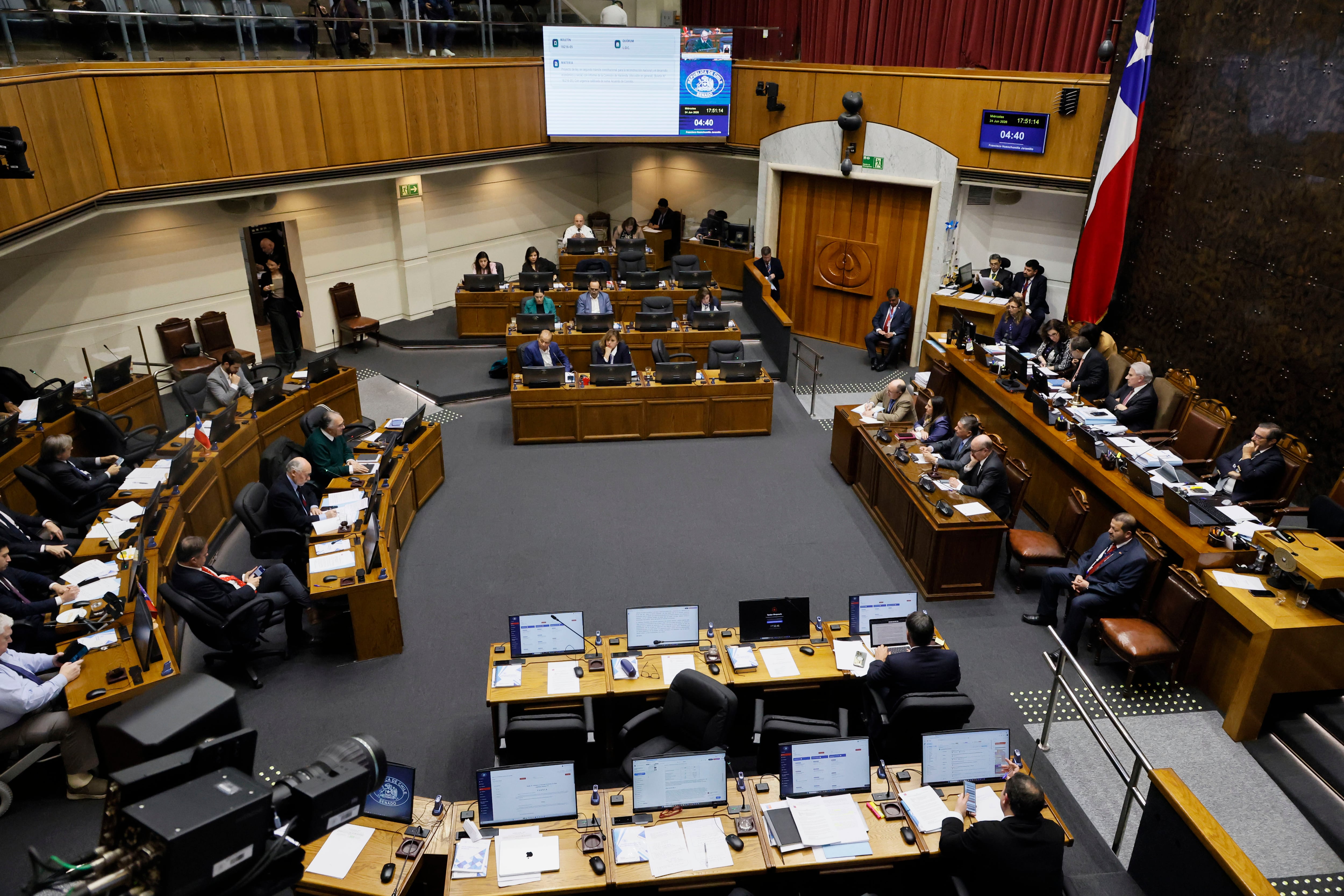
In a political landscape mirroring a football match during World Cup season, the opposition in the Senate faced a significant challenge with the government's proposed mega-reform. Despite knowing the government likely had the votes for approval, the opposition's dilemma was not about winning, but about mitigating a potential landslide defeat. One proposed strategy was to challenge the reform in the Constitutional Court, a legally sound but politically high-risk, all-or-nothing approach.
The recent agreement between a group of PPD senators and the government is viewed not as an isolated incident or internal party indiscipline, but as a symptom of a larger issue: a lack of a unified strategy. The problem arises when a team lacks a common game plan, leading individual members to make decisions on the field that should have been coordinated beforehand. Effective political action, like successful football, requires more than just having capable individuals; it demands a clear understanding of the game plan.
The opposition's struggle, particularly in crucial votes where bloc unity is essential, stems from internal differences not being processed before major contests. This absence of joint training and shared tactics leaves players uncertain about when to press, when to defend, how to control the midfield, which positions are critical to maintain, and which partial outcomes are worth pursuing when victory is unattainable. Consequently, senators enter crucial debates with divergent interpretations of the strategy, some advocating for prolonged resistance, others for minimizing the margin of defeat, and still others prioritizing public perception over concrete outcomes. A minority opposition requires enhanced strategy, not less, focusing on carefully chosen disputes, organized caucuses, verifiable arguments, and clearly defined methods of influence, which can include preventing greater harm or shaping discourse, rather than solely aiming for outright victory.
This analysis highlights a systemic issue within political opposition movements where a lack of unified strategic planning can undermine collective effectiveness. The analogy to a football team lacking a coach or a coherent game plan effectively illustrates how individual actions, even if well-intentioned, can lead to suboptimal collective outcomes when not aligned with a broader strategy. This situation suggests a need for improved internal communication, consensus-building mechanisms, and the development of adaptable tactical frameworks that can be deployed by diverse political actors. In the context of evolving governance and legislative processes, the ability to strategically influence outcomes, even without a majority, requires a sophisticated understanding of legislative leverage, public opinion dynamics, and the long-term implications of legislative compromises. Failure to develop and adhere to such strategies can lead to a perpetual state of reactive politics, diminishing the opposition's capacity to shape policy and hold governing bodies accountable over time.
AI-generated to prompt reflection — not editorial opinion, not advice, not a statement of fact. How this works.