Opposition's Voting Record: KEFIIM Study Reveals Low Consensus on Government Reforms
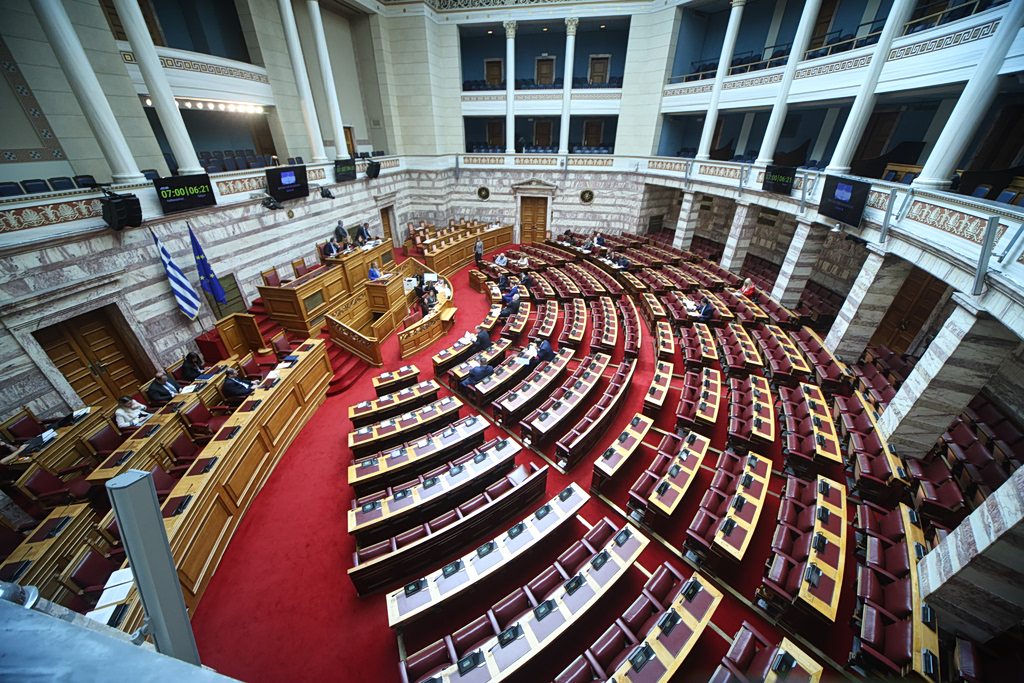
A new study by the KEFIIM (Center for Liberal Studies) has analyzed the voting patterns of opposition parties in Greece between 2023 and 2026. The research indicates that the government has consistently advanced reforms, with 181 legislative bills successfully passing into law. However, the opposition's consensus on these measures was notably low, standing at just 11.2%. The KEFIIM study suggests that the opposition has largely opted for a confrontational approach rather than seeking consensus with the ruling party. This pattern of low agreement highlights a significant divergence in political strategies between the government and the opposition during this legislative period.
This study from KEFIIM presents a quantitative overview of legislative agreement, framing the opposition's stance as a choice between 'confrontation' and 'consensus.' From a governance perspective, a low consensus rate on government-introduced legislation can signal robust parliamentary oversight and a commitment to distinct policy platforms. Conversely, it may also point to systemic challenges in achieving cross-party cooperation, potentially hindering the efficient passage of laws or leading to policy instability if government majorities are narrow. The analysis prompts consideration of the long-term implications for democratic discourse and legislative effectiveness in Greece, particularly in an era where collaborative problem-solving is increasingly crucial for addressing complex societal challenges.
AI-generated to prompt reflection — not editorial opinion, not advice, not a statement of fact. How this works.