Optimize Wi-Fi Router Antenna Placement for Better Home Coverage
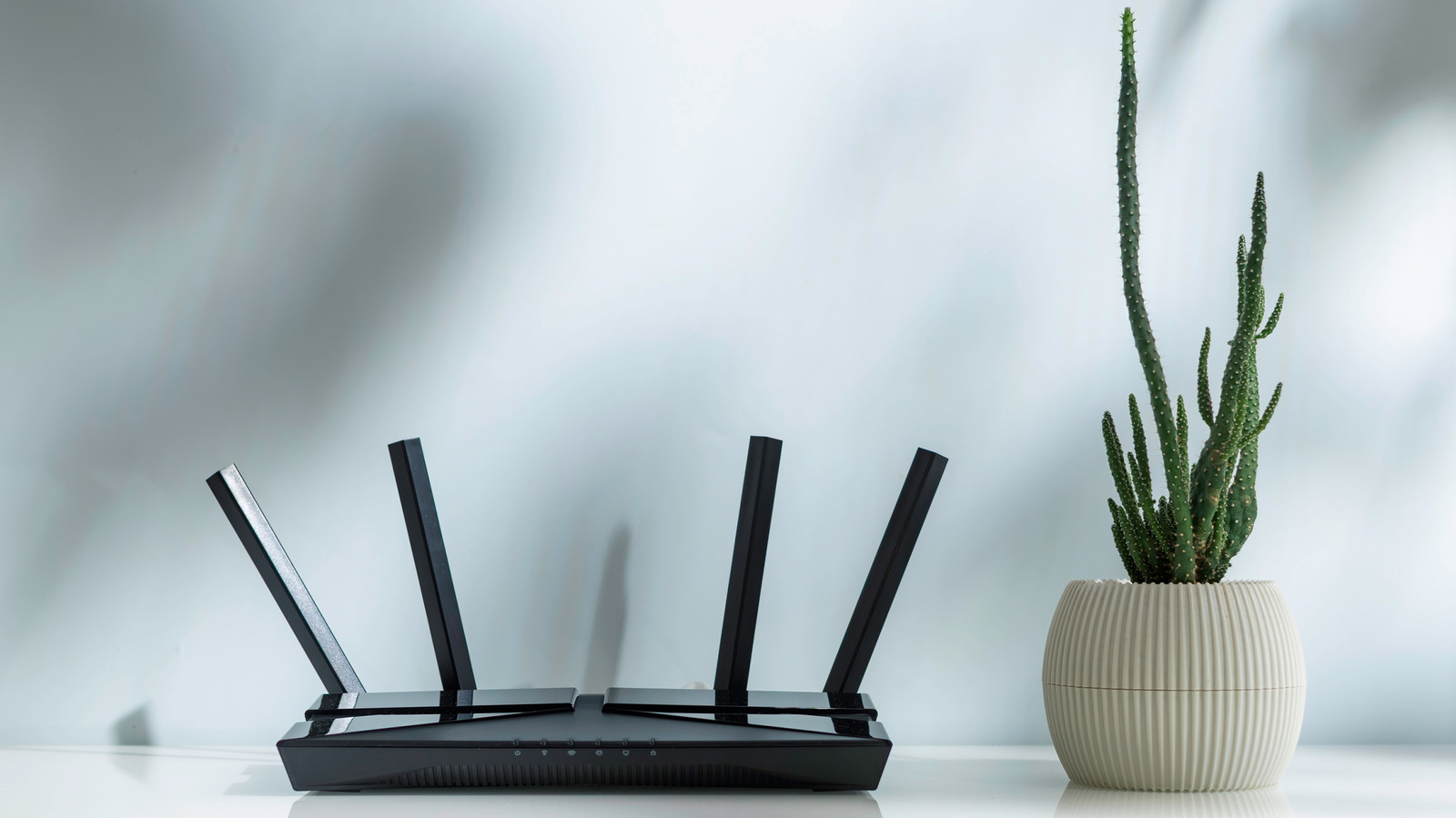
The optimal placement of your Wi-Fi router and the positioning of its antennas are crucial for achieving superior wireless network coverage throughout your home. Understanding these factors can significantly improve your internet experience by eliminating dead zones and ensuring a stable connection in various rooms. This guide aims to demystify the process, providing actionable advice for homeowners seeking to maximize their router's performance. By following these recommendations, users can expect a more reliable and faster internet connection across their entire living space. The goal is to ensure that the wireless signal effectively reaches all areas where devices are used, from the living room to the bedroom and beyond. Proper setup can make a noticeable difference in streaming, gaming, and general browsing.
Effective router placement involves selecting a central location within the home, ideally elevated and away from obstructions like thick walls or large metal objects. The orientation of the antennas also plays a vital role. For routers with multiple antennas, a common recommendation is to position them at different angles, such as one vertically and one horizontally, or at 45-degree angles to each other. This multi-directional approach helps to broadcast the Wi-Fi signal across a wider range of planes, accommodating devices that may be oriented differently. Experimenting with antenna positions can further fine-tune the signal strength and coverage area, ensuring a robust network connection for all connected devices.
The effectiveness of wireless network performance is directly tied to the physical placement and configuration of networking hardware. While user-adjustable elements like antenna orientation offer a degree of control, the underlying signal propagation is subject to environmental factors and hardware limitations. Future advancements in Wi-Fi technology, such as mesh networking and beamforming, aim to mitigate the impact of suboptimal placement by creating more resilient and adaptive signal distribution systems. Users should be aware that while antenna positioning can offer incremental improvements, it is not a substitute for a fundamentally sound network architecture or adequate hardware for the intended coverage area. Understanding these trade-offs empowers users to make informed decisions about network upgrades and troubleshooting.
AI-generated to prompt reflection — not editorial opinion, not advice, not a statement of fact. How this works.