Optimize Your Oat Consumption for Better Blood Sugar and Cholesterol Control
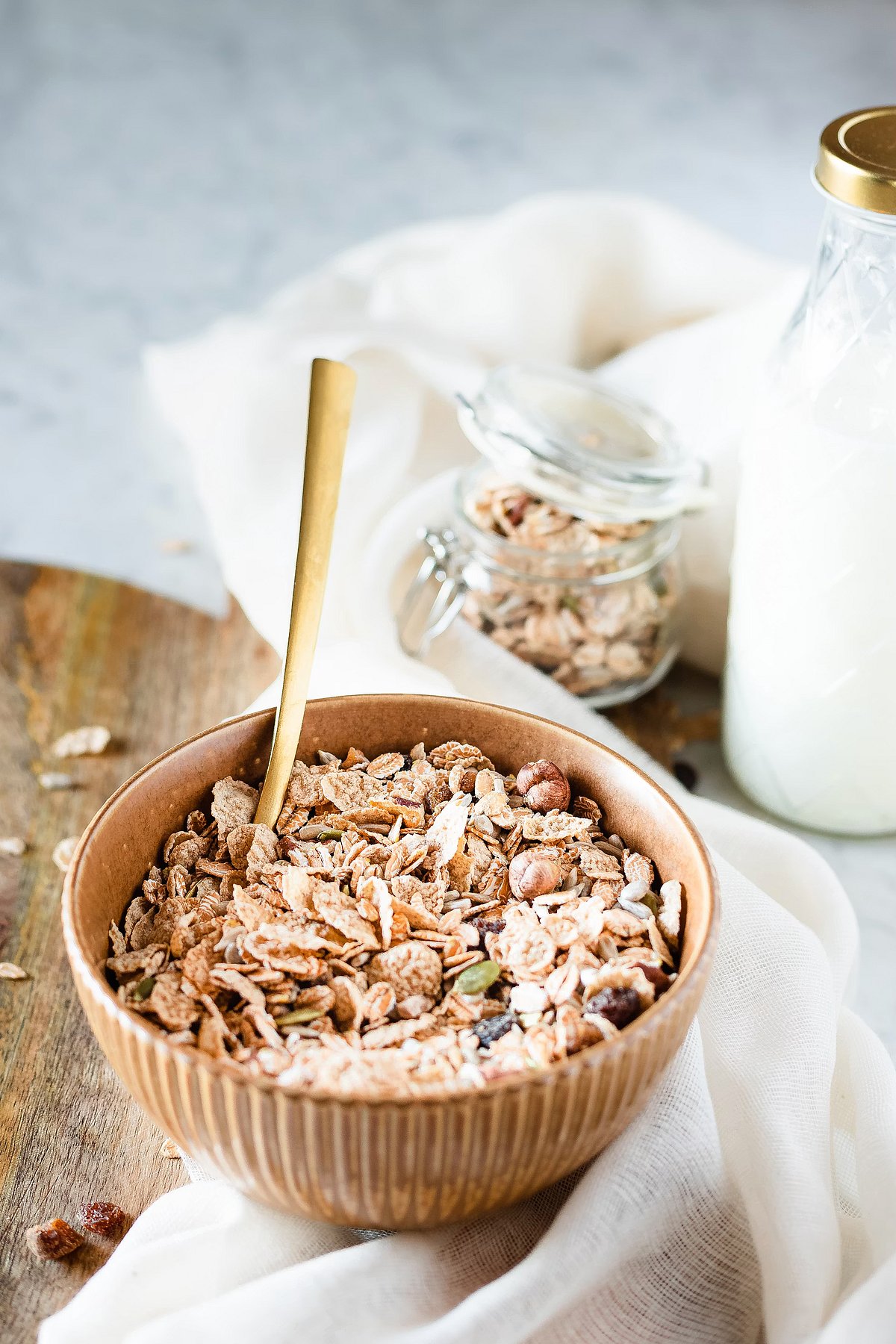
Experts suggest that adhering to specific guidelines when consuming oats can significantly enhance their benefits for blood sugar regulation, reduction of LDL cholesterol, and improved digestion. Oats have become a popular breakfast choice for many, sought after for weight management, diabetes control, and cardiovascular health. Nutritionists widely recognize oats as a healthy food, but their full health advantages depend on the type of oats chosen, preparation methods, and added ingredients.
Prioritizing less processed oats like steel-cut or rolled oats is recommended, as they retain more fiber, minerals, and beneficial plant compounds compared to instant varieties often laden with sugar, salt, or artificial flavors. Less processed oats digest slowly, mitigating rapid blood sugar spikes post-meal. A key component of oats is beta-glucan, a soluble fiber that forms a gel in the gut, aiding in cholesterol absorption reduction and promoting its excretion. Consuming approximately 3 grams of beta-glucan daily, achievable through 70-80 grams of dry oats, can lower LDL cholesterol by about 6%, contributing to reduced heart disease risk.
To balance the carbohydrate content of oats, incorporating protein and healthy fats is advised. Options include unsweetened yogurt, milk, nuts, chia seeds, or flaxseeds, which help slow stomach emptying, promote satiety, and stabilize blood sugar levels. Adding seasonal fruits and seeds like bananas, apples, chia, flax, or various nuts further boosts fiber, vitamin, mineral, and antioxidant intake, supporting cholesterol management, gut health, and weight control. Cooking methods also matter; overnight oats or slow-cooked oats (10-30 minutes) are beneficial. Reheating cooked oats can increase resistant starch, which nourishes beneficial gut bacteria. Crucially, avoiding excessive sweeteners like sugar, syrup, honey, or brown sugar is vital, as they negate oat's health benefits, increase the glycemic load, and elevate risks of weight gain, type-2 diabetes, and heart disease. Ultimately, oats offer maximum benefits when integrated into a balanced diet, regular exercise, and a healthy lifestyle, with small adjustments like choosing minimally processed oats, adding fruits and nuts, and limiting sugar significantly amplifying their positive health impact.
The advice presented focuses on optimizing the health benefits of oats by emphasizing minimally processed varieties, adequate beta-glucan intake, and balanced meal composition. This approach aligns with established nutritional science regarding fiber's role in metabolic health and cardiovascular disease prevention. The guidance on avoiding added sugars is critical, as excessive consumption of simple carbohydrates is a known driver of metabolic dysfunction, including insulin resistance and obesity. By promoting a holistic view that includes preparation methods and complementary ingredients, the information encourages a more mindful and effective integration of oats into a healthy dietary pattern. This strategy leverages the inherent nutritional value of oats to support public health goals related to chronic disease management and prevention, particularly in the context of rising rates of diabetes and heart disease.
AI-generated to prompt reflection — not editorial opinion, not advice, not a statement of fact. How this works.
