Orbital Detector Could Identify Nuclear Warheads in Space
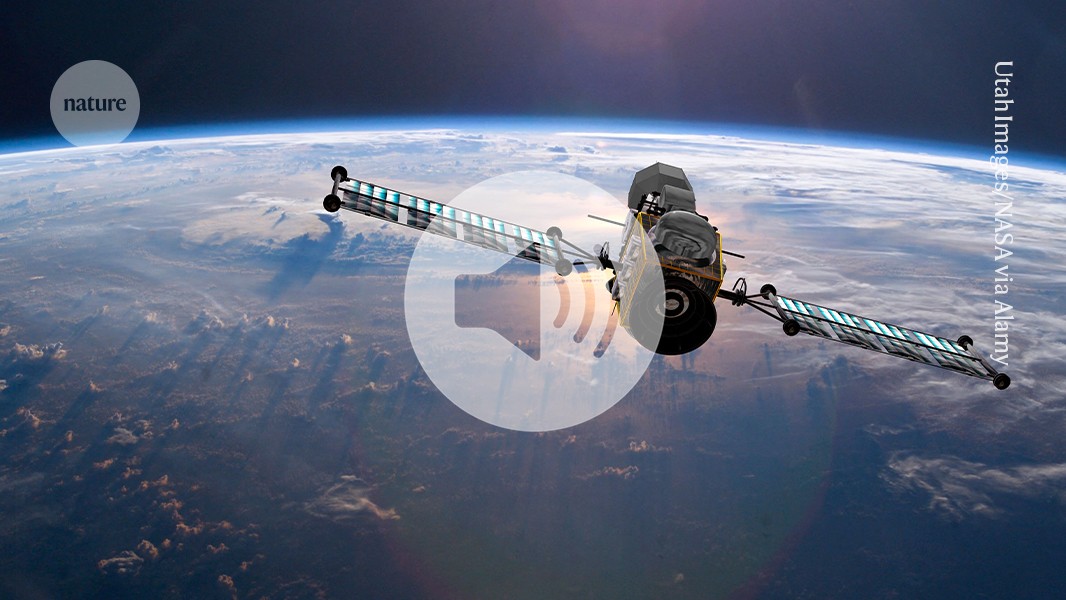
A new orbital detector is being developed that could potentially identify nuclear warheads in space. The detector is designed to "sniff out" these weapons, raising concerns about the weaponization of space. The development comes amid growing international discussions about the militarization of outer space and the potential for deploying nuclear weapons beyond Earth's atmosphere. Such a capability could significantly alter the strategic landscape and international security dynamics. The specifics of how the detector would operate and its technological underpinnings are not detailed in the provided information. However, the concept itself highlights the ongoing technological race in space-based capabilities. The potential deployment of nuclear weapons in space has been a long-standing concern for the international community, with treaties like the Outer Space Treaty aiming to prevent such scenarios. This development, if realized, could necessitate a re-evaluation of existing space security frameworks and arms control agreements. The implications for global stability and the future of space exploration are substantial. Further details on the detector's capabilities and the entities developing it are awaited.
The prospect of detecting nuclear warheads in orbit introduces a new layer of complexity to space security. This development could be viewed through the lens of deterrence, potentially aiming to monitor and verify compliance with space arms control, or conversely, as a precursor to offensive space-based nuclear capabilities. The incentive structure for nations to develop such detection technology is likely driven by perceived threats and the desire for strategic advantage in an increasingly contested domain. From a systems perspective, the introduction of nuclear weapons or their detection in space creates inherent contradictions with the long-term goal of maintaining space as a peaceful and accessible commons for all humanity. This technological advancement necessitates a robust international dialogue to ensure that space remains a stable environment, preventing an escalatory spiral of weaponization and counter-weaponization.
AI-generated to prompt reflection — not editorial opinion, not advice, not a statement of fact. How this works.