Orchestra Conductor at UFMT Indicted for Sexual Harassment and Coercion
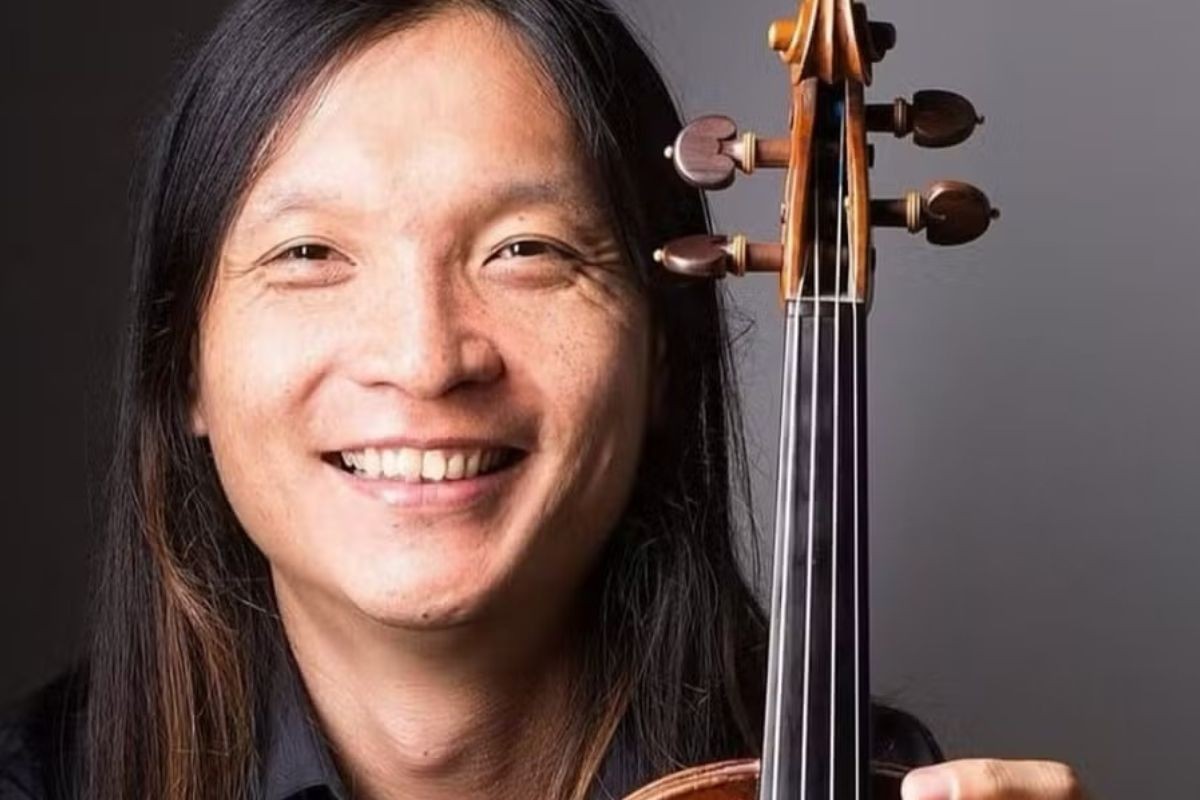
Oliver Yatsugafu, the 47-year-old artistic director of the Federal University of Mato Grosso (UFMT) Symphony Orchestra, has been indicted by the Civil Police following investigations into allegations of sexual harassment and coercion made by three students. He was suspended from his duties in November 2025 after the initial complaints surfaced. Yatsugafu has denied all accusations. According to the Specialized Women's Defense Police Station, the professor faces charges of sexual harassment against a 21-year-old Music student and illegal coercion against two other female musicians. The case files have been forwarded to the judiciary and the Public Prosecutor's Office for further action.
The sexual harassment charge stems from an alleged incident involving the 21-year-old student during an extension project. The student reported that Yatsugafu displayed possessive behavior and intensified his advances starting in 2023. She detailed an instance where he entered her room without permission, declared his feelings, and claimed his marriage was a sham. The student also recounted other episodes within the orchestra that she had not reported earlier to avoid disrupting the project. In a separate incident, Yatsugafu allegedly threw the student's phone onto a piano during a class, suspecting she was communicating with someone else. Investigations included testimonies from family, colleagues, and university staff, which reportedly corroborated the student's emotional distress and highlighted the professor's alleged invasive approaches.
The illegal coercion charges involve two musicians, aged 23 and 39, who were allegedly asked by Yatsugafu in November 2025 to persuade the first complainant to rejoin a musical project. During this meeting, Yatsugafu reportedly blocked the exit of the room for approximately three minutes, preventing the women from leaving. The two musicians, visibly distressed, sought refuge elsewhere on campus afterward. These allegations led to the indictment for illegal coercion, a separate charge from the sexual harassment case.
This case involves serious allegations against a university professor and conductor, highlighting potential power imbalances within academic and artistic institutions. The indictments suggest that investigative bodies found sufficient evidence to proceed with legal action, moving beyond mere accusations to formal charges. The separation of charges into sexual harassment and illegal coercion indicates distinct alleged behaviors impacting different individuals. Moving forward, the legal process will aim to establish factual accuracy and accountability. This situation underscores the importance of robust institutional policies and reporting mechanisms to protect students and staff from potential misconduct, fostering an environment where individuals feel safe to report concerns without fear of reprisal or project disruption. The university's response, including the professor's suspension, reflects an acknowledgment of the seriousness of the allegations and the need for immediate action pending legal resolution.
AI-generated to prompt reflection — not editorial opinion, not advice, not a statement of fact. How this works.