Oregon to Charge for Undersea Cables, Funding State Schools
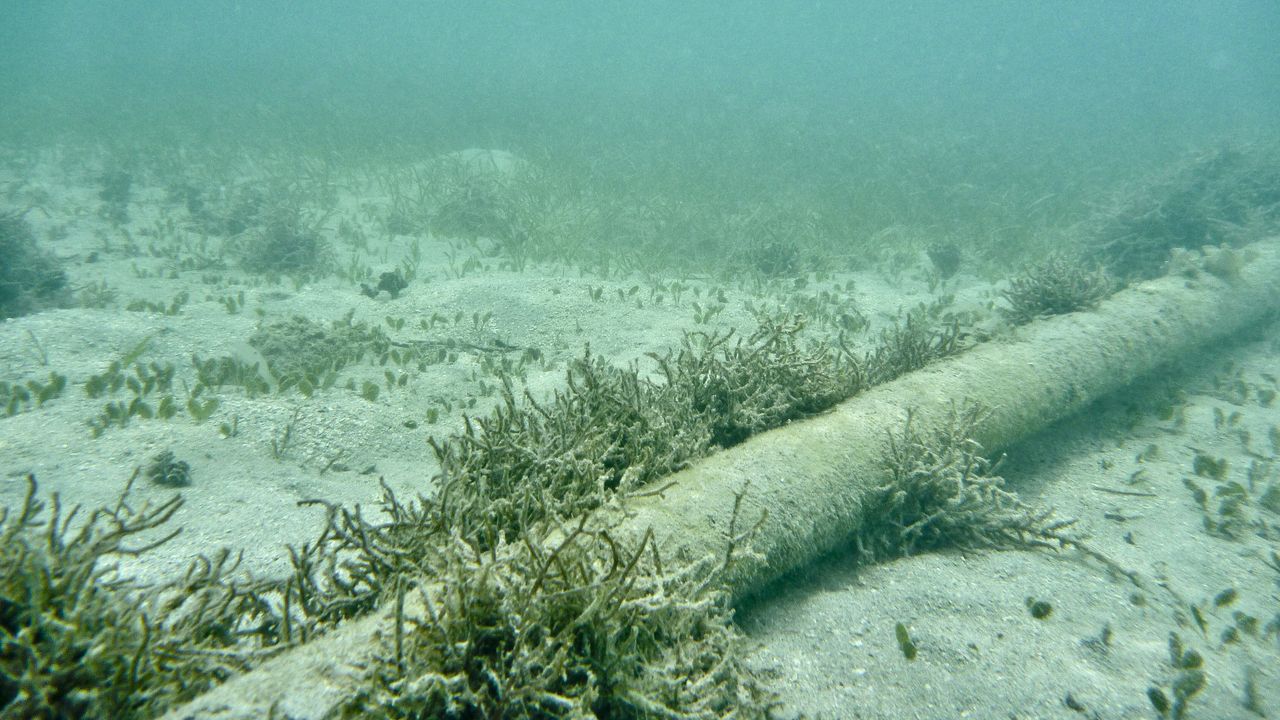
Oregon is implementing a new policy to charge service providers for the use of its sea floor for undersea cables. This initiative aims to generate revenue that will be directed towards supporting state schools. The state anticipates that millions of dollars, accrued over several years, will be channeled into educational programs. This move represents a significant shift in how the state manages its marine resources and seeks to leverage them for public benefit. The specific details of the charging mechanism and the exact amount expected to be collected are yet to be fully disclosed, but the intention is clear: to create a new funding stream for education. The policy is expected to impact telecommunications companies that rely on undersea infrastructure to provide internet and communication services. This revenue generation strategy could set a precedent for other coastal states looking to monetize their offshore assets.
Oregon's decision to charge for undersea cable usage reflects a growing trend of governments seeking to monetize digital infrastructure assets that traverse public lands and waters. This policy could incentivize service providers to optimize cable placement and potentially explore alternative routing or data transmission methods. The allocation of funds to state schools highlights a direct link between digital connectivity infrastructure and public education investment. From a long-term perspective, this approach may encourage greater transparency and accountability in the management of subsea resources, while also potentially impacting the cost structure for internet services. The state's strategy warrants observation for its potential to influence similar regulatory frameworks globally and its effectiveness in sustainably funding educational initiatives.
AI-generated to prompt reflection — not editorial opinion, not advice, not a statement of fact. How this works.