Organ Trafficking Case: Suspects Allegedly Received Over ¥45 Million from 5 Transplant Patients
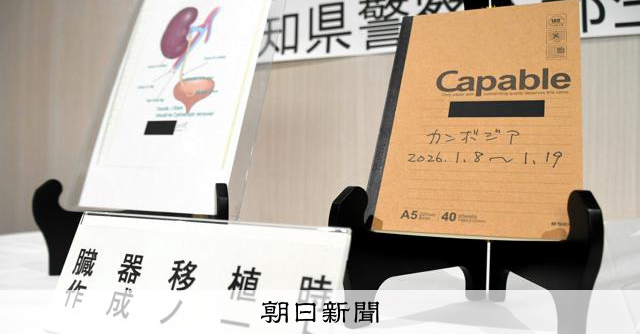
Japanese authorities are investigating a case involving alleged organ trafficking, where suspects are believed to have received over 45 million yen from five patients seeking overseas organ transplants. The investigation centers on individuals suspected of facilitating these transplants, which often involve significant financial transactions. The case highlights the complex and often illicit market surrounding organ transplantation, particularly for patients in countries with long waiting lists or limited access to organs. The amount received by the suspects suggests a substantial operation, raising concerns about patient exploitation and the ethical implications of organ procurement. Further details are expected as the investigation progresses, potentially shedding light on the methods used and the extent of the network involved in such activities.
This incident underscores the persistent global challenge of organ scarcity and the ethical dilemmas it creates. The alleged financial transactions suggest that desperation among patients seeking transplants may be exploited by illicit networks. Such cases prompt a review of regulatory frameworks governing organ donation and transplantation, both domestically and internationally. Examining the incentives for both brokers and desperate patients is crucial for developing more equitable and transparent systems. Future considerations should include exploring technological advancements and policy shifts that could increase legitimate organ availability and deter illegal trafficking, aligning with long-term societal goals for healthcare access and human dignity.
AI-generated to prompt reflection — not editorial opinion, not advice, not a statement of fact. How this works.