Organ transplant patients in RN report six-month cyclosporine shortage
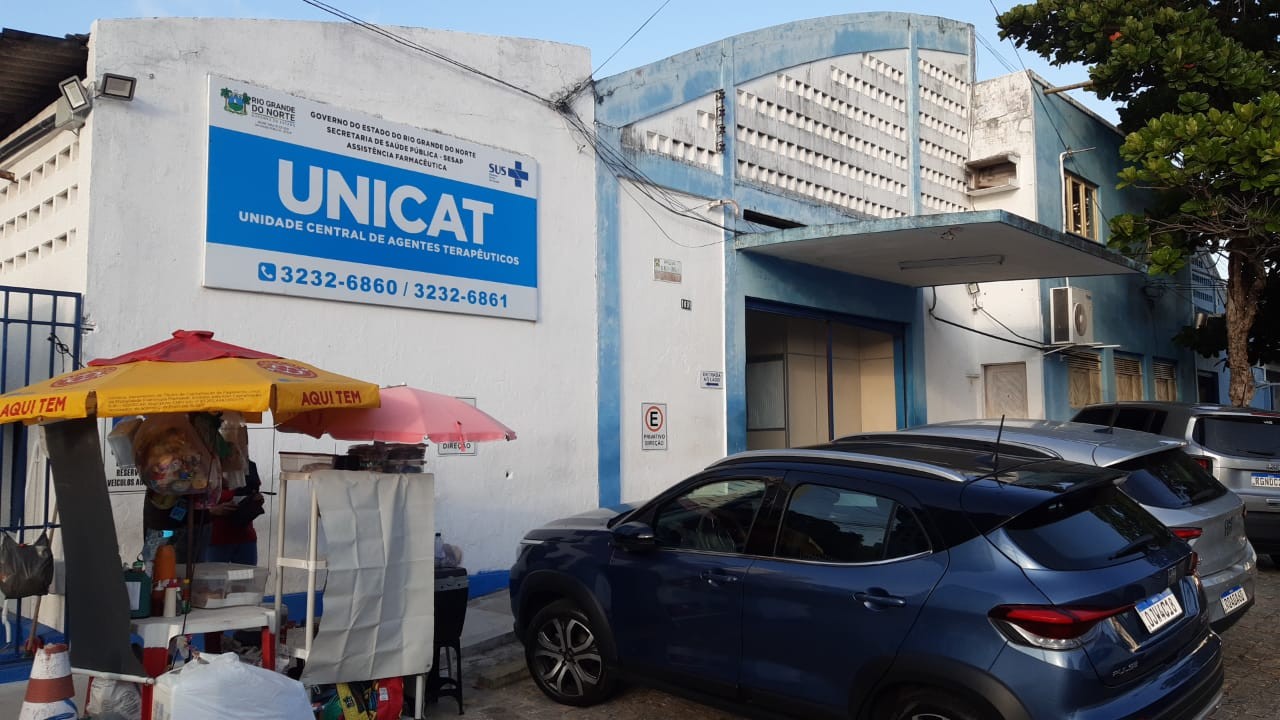
Patients who have received organ and bone marrow transplants, as well as individuals with autoimmune diseases, are reporting a severe shortage of the immunosuppressant medication cyclosporine at the Central Unit of Therapeutic Agents (Unicat) in Rio Grande do Norte, Brazil. This critical medication, essential for preventing organ rejection post-transplant, has reportedly been unavailable for approximately six months. Rogéria da Silva, a bone marrow transplant recipient for the past 20 months, highlighted the daily struggle to obtain the drug, stating, "We who are transplanted know how important a box of cyclosporine is for us." She relies on two daily doses and faces significant challenges in maintaining her treatment without state provision. Cardiologist Lorena Marques warned that discontinuing immunosuppressants dramatically increases the risk of organ rejection, noting that some patients have already presented with rejection symptoms. While hospitals have utilized donations and existing stocks to mitigate the immediate crisis, the situation remains deeply concerning. Unicat's administration acknowledged the shortage, stating that cyclosporine has been purchased and they are awaiting delivery from the supplier. Once received, the medication will be distributed to registered patients, though no timeline for normalized supply has been provided.
The prolonged unavailability of essential immunosuppressant medication like cyclosporine at Unicat raises critical questions about supply chain resilience and public health governance in Rio Grande do Norte. This situation exposes a systemic vulnerability where patient health outcomes are directly contingent on the timely procurement and distribution of pharmaceuticals. The reliance on donations and hospital reserves indicates a reactive rather than proactive approach to managing essential drug supplies. Looking ahead, such shortages underscore the imperative for robust inventory management systems, diversified supplier relationships, and transparent communication protocols between health authorities and patient communities to prevent future disruptions and ensure continuous care for vulnerable populations.
AI-generated to prompt reflection — not editorial opinion, not advice, not a statement of fact. How this works.