Organized Crime Holds 12-20 High-Value Targets in Guatemala, Defense Ministry Reports
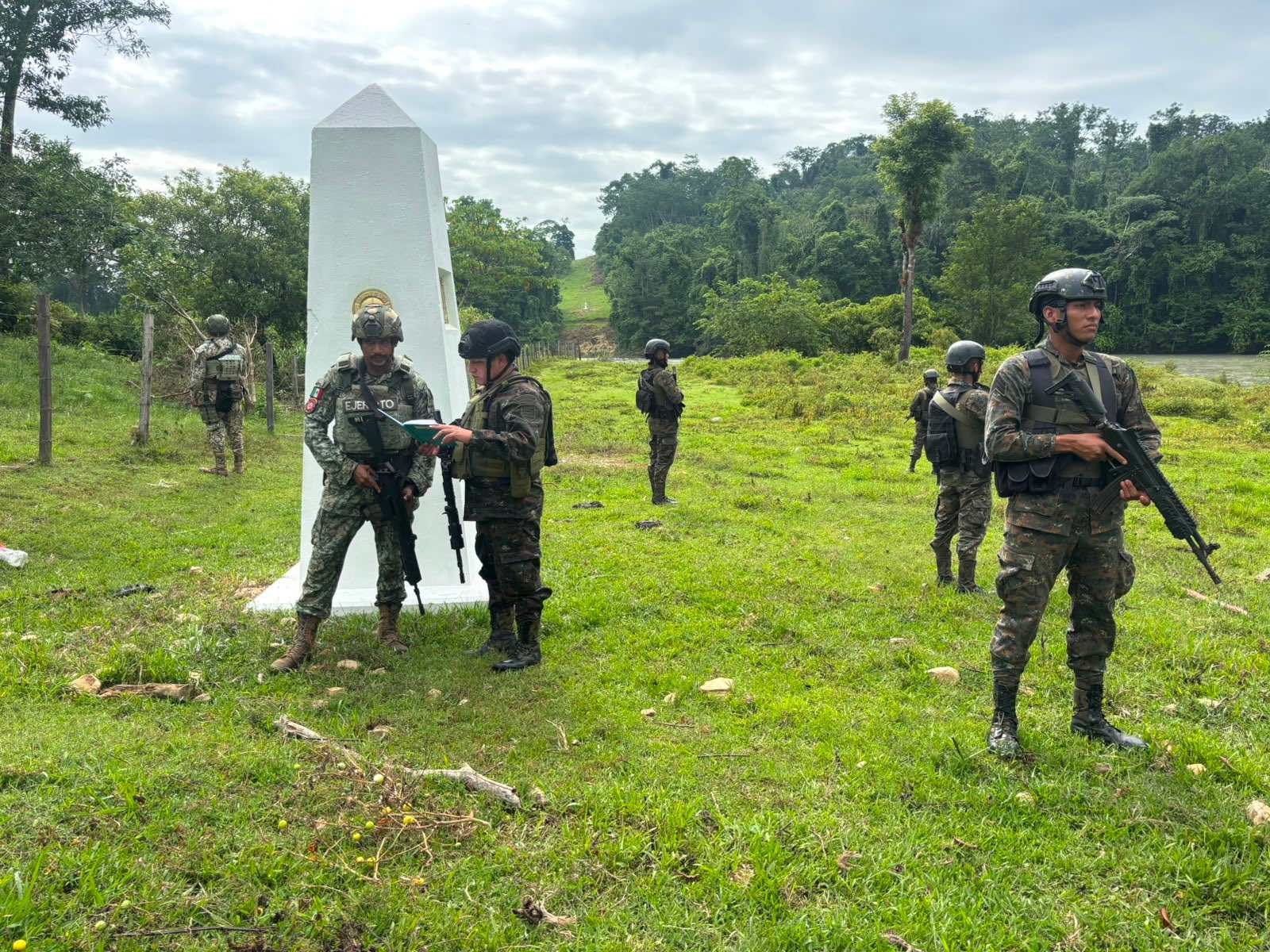
Guatemala continues to grapple with dismantling the financial structures of organized crime, as between 12 and 20 high-value targets remain active within the country. This challenge was highlighted by the Ministry of Defense, underscoring the persistent threat posed by these criminal entities. The ongoing presence of these targets indicates that efforts to fully neutralize organized crime's influence have not yet succeeded. The Ministry of Defense's statement points to the complex nature of combating these groups, particularly their financial operations. The specific number of targets, ranging from 12 to 20, suggests a significant and entrenched presence that requires sustained and strategic intervention. The situation implies that the financial networks supporting these high-value targets are still operational, enabling their continued activity. This ongoing challenge necessitates a comprehensive approach that goes beyond mere law enforcement to address the underlying financial mechanisms. The Ministry's report serves as a stark reminder of the deep-rooted issues Guatemala faces in its fight against organized crime.
The Guatemalan Ministry of Defense's report on active high-value targets within organized crime structures highlights a persistent challenge in disrupting illicit financial networks. The stated range of 12-20 active targets suggests that while some progress may have been made, the core financial enablers of these operations remain resilient. Future strategies will likely need to focus on enhanced international cooperation and advanced financial intelligence to effectively target the flow of illicit funds. Examining the incentive structures that allow these organizations to maintain such a significant presence, even under pressure, is crucial for developing sustainable counter-crime policies. This situation underscores the complex interplay between financial flows, governance, and security in a region grappling with transnational crime.
AI-generated to prompt reflection — not editorial opinion, not advice, not a statement of fact. How this works.