Original Legend of Zelda Manual Highlights Pre-Digital Gaming Era
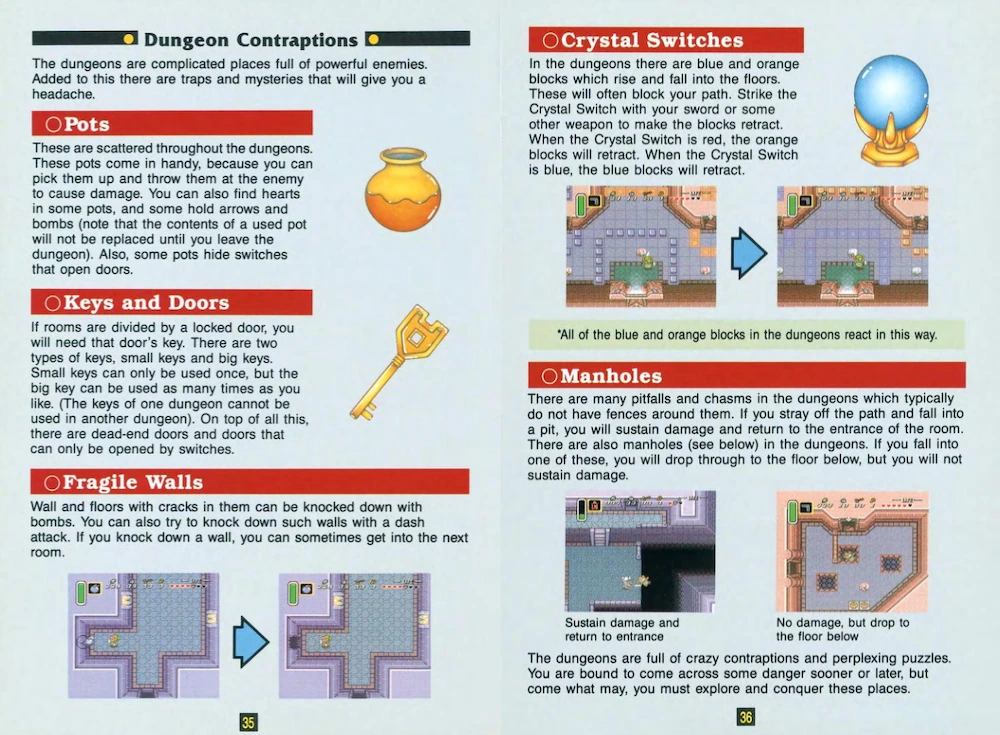
An original instruction manual for Nintendo's The Legend of Zelda for the NES has been highlighted as a nostalgic artifact from a time when physical game components were common. The manual serves as a reminder of the tangible aspects of gaming that are diminishing in the current digital landscape. The Legend of Zelda was first released on February 21, 1986, in Japan for the Famicom Disk System, followed by its North American and European release in 1987 on cartridge for the NES. The game's success led to ports on platforms like the GameCube in 2003 and Game Boy Advance in 2004. Notably, it never received official releases for 1980s/1990s computers like the Commodore or Spectrum, nor for PC or Mac, though emulators exist. The original Zelda was groundbreaking for its introduction of an open-world concept, encouraging player exploration and map-making. It also established foundational elements for exploration and dungeon-crawling games featuring items and puzzles. A significant feature of the NES version was its battery-backed save system, allowing players to preserve their progress across multiple play sessions. The game's legacy includes numerous sequels and inspired many other titles.
The resurgence of interest in original game manuals like that of The Legend of Zelda underscores a broader cultural shift. As digital distribution becomes dominant, the tangible artifacts of early gaming, such as cartridges, manuals, and physical media, are increasingly valued not just for their function but for their historical and collectible significance. This trend highlights a tension between the convenience of digital access and the desire for physical ownership and a richer user experience. The game's innovative design, including its open-world structure and save functionality, laid groundwork for future game development and continues to influence the industry. The contrast between the physical era and today's digital-first approach prompts reflection on how technology shapes our interaction with media and the potential loss of tactile engagement in the digital age.
AI-generated to prompt reflection — not editorial opinion, not advice, not a statement of fact. How this works.