Orlin's Law: Who Would Be Protected From ICE Under Proposed Bill
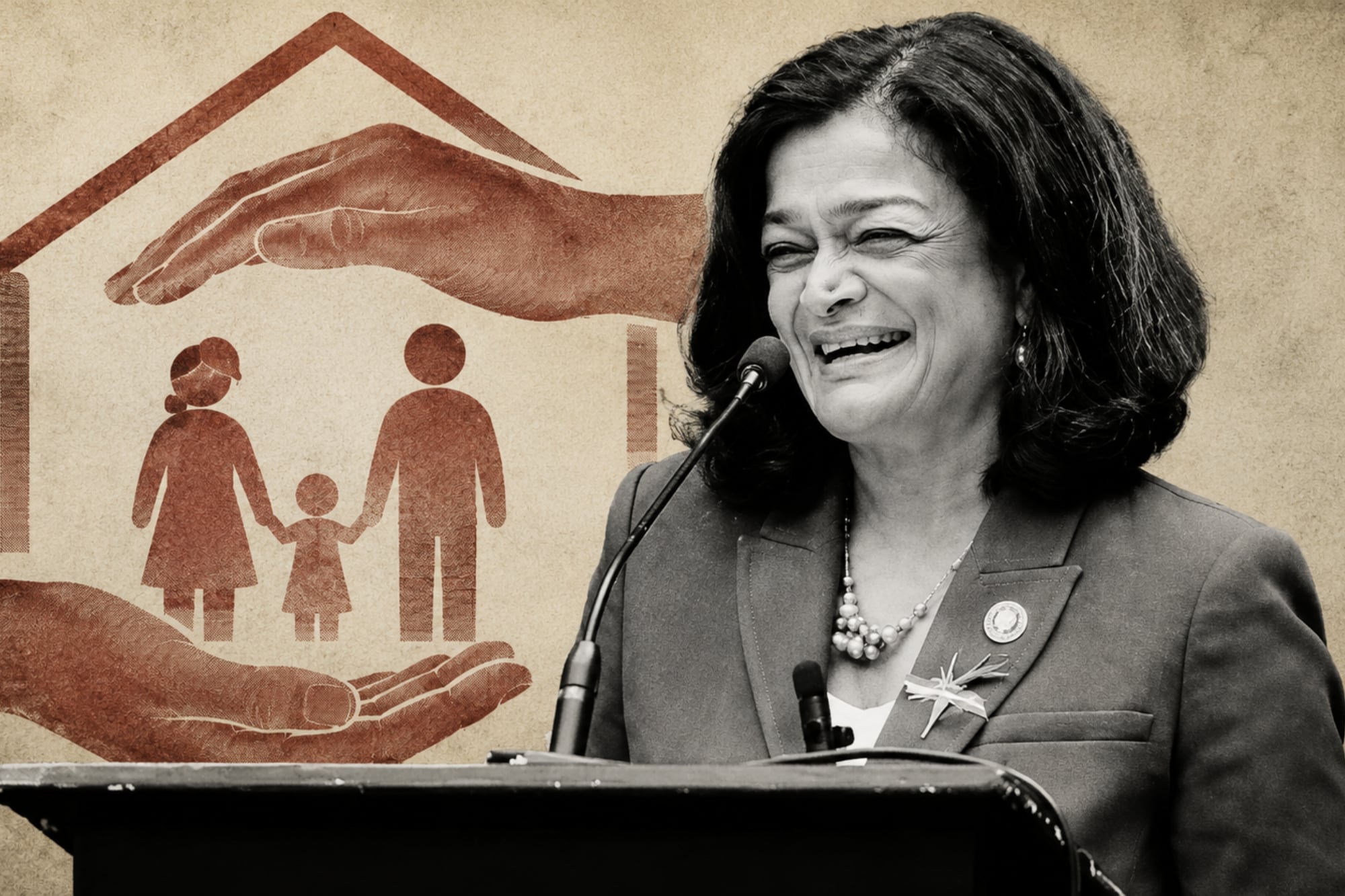
A proposed piece of legislation known as Orlin's Law aims to shield parents and caregivers of dependent children from Immigration and Customs Enforcement (ICE) actions. The bill seeks to redefine how immigration authorities interact with families when a child relies on a parent or caregiver for support. Specifically, it would offer protection to individuals who are the primary caretakers of children, particularly those with disabilities or chronic health conditions, who might otherwise face deportation. The intention behind the law is to prevent the separation of families and ensure the well-being of vulnerable children who depend on their caregivers. If passed, Orlin's Law would significantly alter the current practices of ICE, introducing new considerations before any enforcement action is taken against a parent or guardian. The legislation is named in honor of Orlin, a child whose family faced deportation, highlighting the human impact of current immigration policies. This proposed law emphasizes the importance of family unity and the protection of children within the immigration system. It aims to create a more humane approach to immigration enforcement, prioritizing the needs of dependent children.
The proposed Orlin's Law addresses a critical tension between immigration enforcement and child welfare. By potentially restricting ICE's ability to deport primary caregivers of dependent children, the legislation seeks to mitigate the systemic risk of destabilizing vulnerable family units. This approach reflects a growing awareness of the long-term societal costs associated with child separation, which can include negative impacts on development and increased demand on social services. The law's passage could incentivize families to remain intact, even amidst immigration proceedings, by offering a degree of protection tied to parental responsibility. However, it also raises questions about the definition of 'dependent child' and 'primary caregiver,' which could lead to complex legal interpretations and potential loopholes. Future policy discussions may need to explore robust verification mechanisms to ensure the law's intended beneficiaries are appropriately identified, while also considering the broader implications for immigration policy and national security.
AI-generated to prompt reflection — not editorial opinion, not advice, not a statement of fact. How this works.