Orphaned Black Howler Monkey Adopted by Adult Pair Offers Hope for Species Conservation
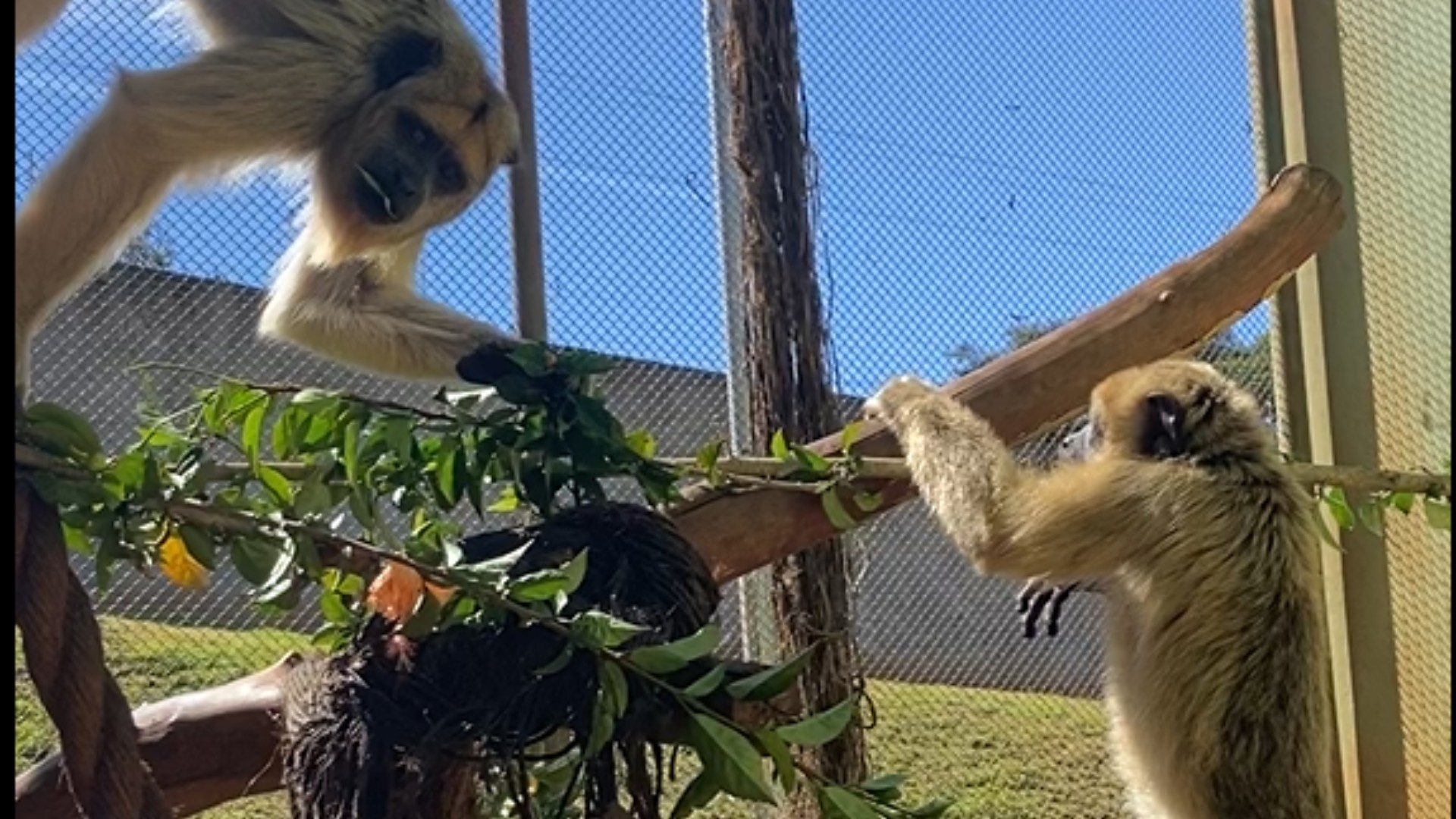
A groundbreaking study conducted at the Wildlife Rescue and Rehabilitation Center (Cetras) in Patos de Minas, Minas Gerais, Brazil, has revealed that orphaned black howler monkey (Alouatta caraya) infants can be successfully integrated into adult pairs, potentially improving conservation efforts for the species. Researchers Izabela de Lima Costa and Dr. Elisa Queiroz Garcia partnered with Cetras to observe an adult pair, formed shortly before the study, adopting an orphaned infant. This research is significant because scientific documentation of such adoptions within rehabilitation programs is scarce. The study involved monitoring the adult pair's behavior for 24 days using motion-activated trap cameras before gradually introducing the infant. Initial concerns focused on the male viewing the infant as a competitor or the female lacking parental instincts, but the results defied these fears. The adult pair accepted the infant, exhibiting behaviors consistent with a natural family structure, including proximity, physical contact, grooming, and care. These findings are crucial because isolated infant monkeys may not develop essential survival skills like foraging, danger recognition, and communication, thus reducing their chances of survival in the wild. The study suggests that social integration with other howler monkeys facilitates this learning process, making reintroduction safer and potentially serving as a model for other primate rehabilitation programs. The researchers emphasize that successful conservation requires considering the behavioral and social needs of individual animals for effective reintegration into their natural habitats. The study culminated in the successful release of the adult pair and the adopted infant together as a stable social unit, highlighting the impact of human actions on wildlife and the importance of comprehensive rehabilitation strategies.
This research offers a novel perspective on wildlife rehabilitation, shifting focus from individual care to social integration for species conservation. By demonstrating the potential for orphaned primates to form family units within managed environments, the study addresses critical behavioral development gaps that hinder successful reintroduction. The findings underscore the complex social needs of wild animals, suggesting that conservation strategies must evolve to incorporate these dynamics. Future efforts may benefit from understanding the long-term viability of such fostered social structures and the potential risks, such as aggression within groups, that can occur in natural settings. This approach could inform more effective management protocols for various primate species, enhancing their resilience and chances of survival in an increasingly fragmented natural world.
AI-generated to prompt reflection — not editorial opinion, not advice, not a statement of fact. How this works.