Orphaned crab-eating fox cub rescued from predators, successfully reintroduced to wild
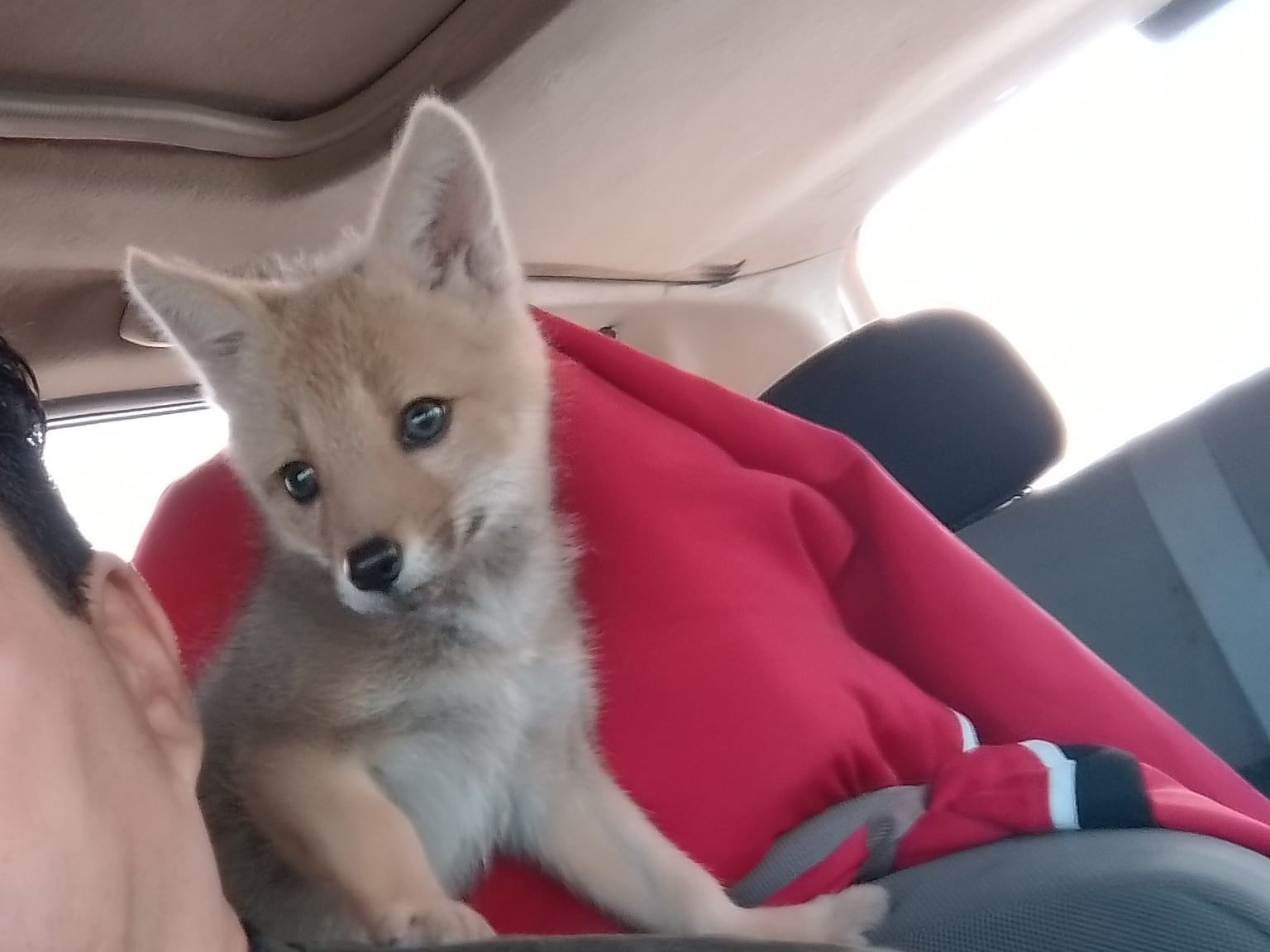
In Villa Elisa, Entre Ríos, Argentina, a young crab-eating fox cub (Cerdocyon thous) was found alone and vulnerable next to its deceased mother, who had been attacked by caranchos (black vultures). A local resident named Bruno discovered the cub, which appeared to be only a few days old and was in danger of becoming prey. He carefully took the cub home to his wife Victoria and their children, Eugenia and Simón, who provided immediate care, including feeding and warmth. The family affectionately named the cub Carmen and integrated her into their household, where she coexisted with their dogs and played with the children. However, the family understood that Carmen belonged in the wild and contacted provincial environmental authorities when she began to mature. Provincial park ranger Jaime Borda, from the Arroyo Perucho Provincial Reserve, facilitated the process. Borda coordinated with park ranger Paul Zaragoza from Villaguay to transfer Carmen to the La Chinita Municipal Reserve. At La Chinita, conservationists evaluated Carmen's health and behavior, implementing a plan to restore her wild instincts away from human contact. The ideal location for her release was determined to be the El Guayabo Multiple Use Reserve. After a thorough rehabilitation period, Carmen was released into her natural habitat, leaving behind the domestic environment that saved her life. Park ranger Borda emphasized the critical importance of a strategic release process, ensuring the animal has adequate food, shelter, and minimal human risk, stating that a poorly executed release poses a greater threat than the initial rescue.
This narrative highlights the complex interplay between human intervention and wildlife conservation. While the family's compassionate rescue of the orphaned fox cub is commendable, the subsequent rehabilitation and release process underscore the critical need for expert management to ensure a successful reintegration into the wild. The story serves as a valuable public education tool, differentiating between temporary care and permanent domestication, which can have detrimental long-term effects on an animal's survival prospects. The successful outcome demonstrates the effectiveness of coordinated efforts between citizens and environmental authorities, emphasizing that responsible wildlife interaction involves prompt reporting and adherence to conservation protocols rather than attempts at private ownership. Future conservation strategies should continue to leverage such community-animal-authority partnerships, ensuring that interventions prioritize the animal's natural behaviors and ecological niche for long-term sustainability.
AI-generated to prompt reflection — not editorial opinion, not advice, not a statement of fact. How this works.