Orson Welles' unfinished "Don Quixote" material to be reconstructed by European film archives
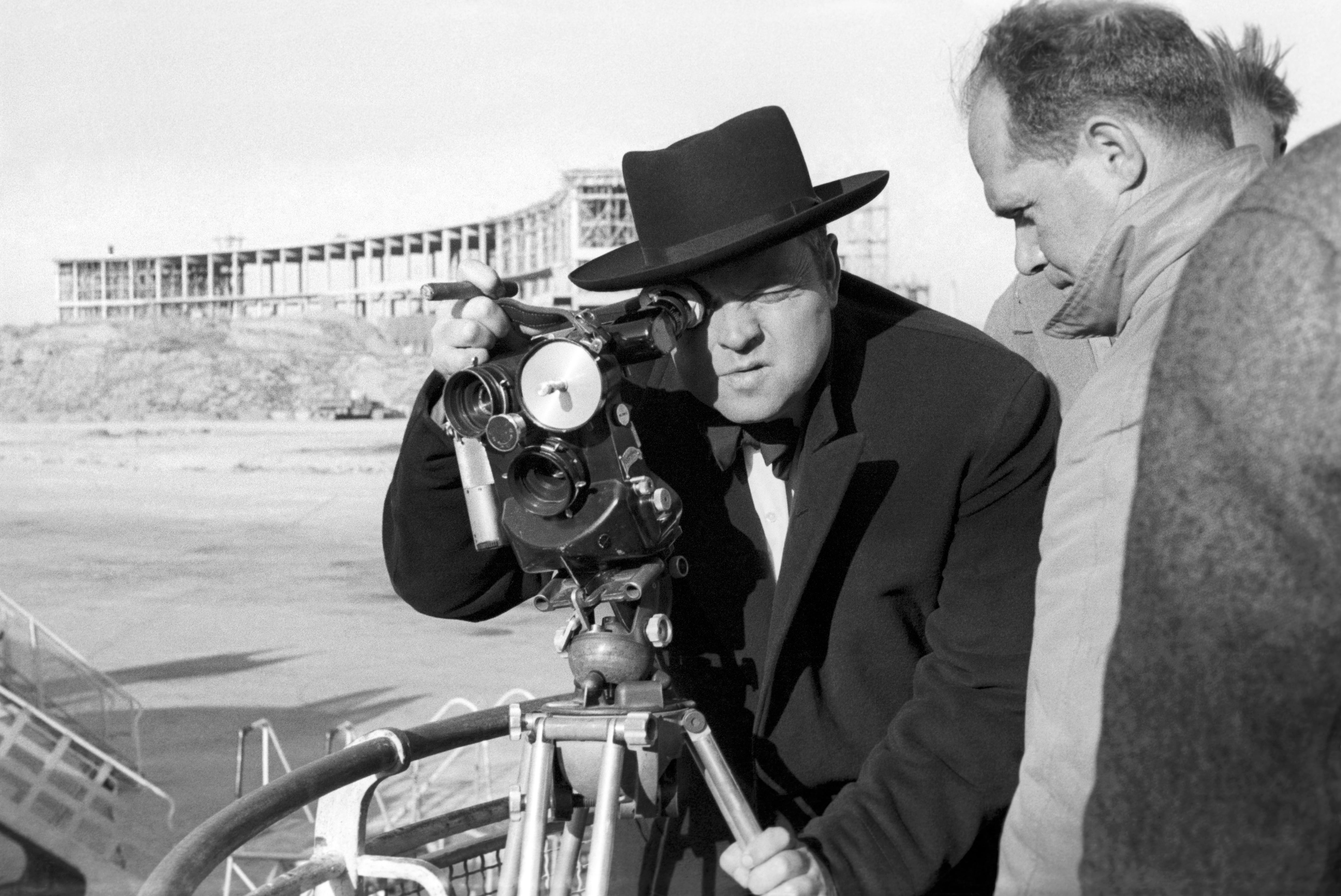
Four European film archives have launched a historic reconstruction project for Orson Welles' unfinished "Don Quixote" material. The project aims to bring together and restore approximately 30 hours of footage and 2,200 pages of related documents. Welles saw a reflection of himself and his own nomadic life in the dual characters of Cervantes' novel. He worked on the film intermittently for years, facing numerous production challenges and financial difficulties. This ambitious undertaking seeks to salvage and present Welles' unique vision for the iconic literary character. The process is described as dealing with "absolute chaos" due to the fragmented nature of the existing material. The collaboration between the film archives signifies a significant effort to preserve and re-evaluate a lost piece of cinematic history.
This reconstruction effort highlights the enduring legacy of Orson Welles and the challenges inherent in preserving complex, unfinished artistic works. The involvement of multiple European film archives suggests a recognition of the cultural significance of this material and a collaborative approach to overcoming the logistical and financial hurdles of such a restoration. The project's success could offer new insights into Welles' creative process and his interpretation of "Don Quixote." It also raises broader questions about the preservation of cinematic heritage in an era of digital decay and the potential for AI tools to aid in the collation and restoration of fragmented media. The "absolute chaos" described points to the systemic issues that can plague ambitious film productions, particularly those driven by singular artistic vision outside conventional studio systems.
AI-generated to prompt reflection — not editorial opinion, not advice, not a statement of fact. How this works.