Ortega's Vote Elimination Puts Him Among World's Worst Dictators, Critics Say
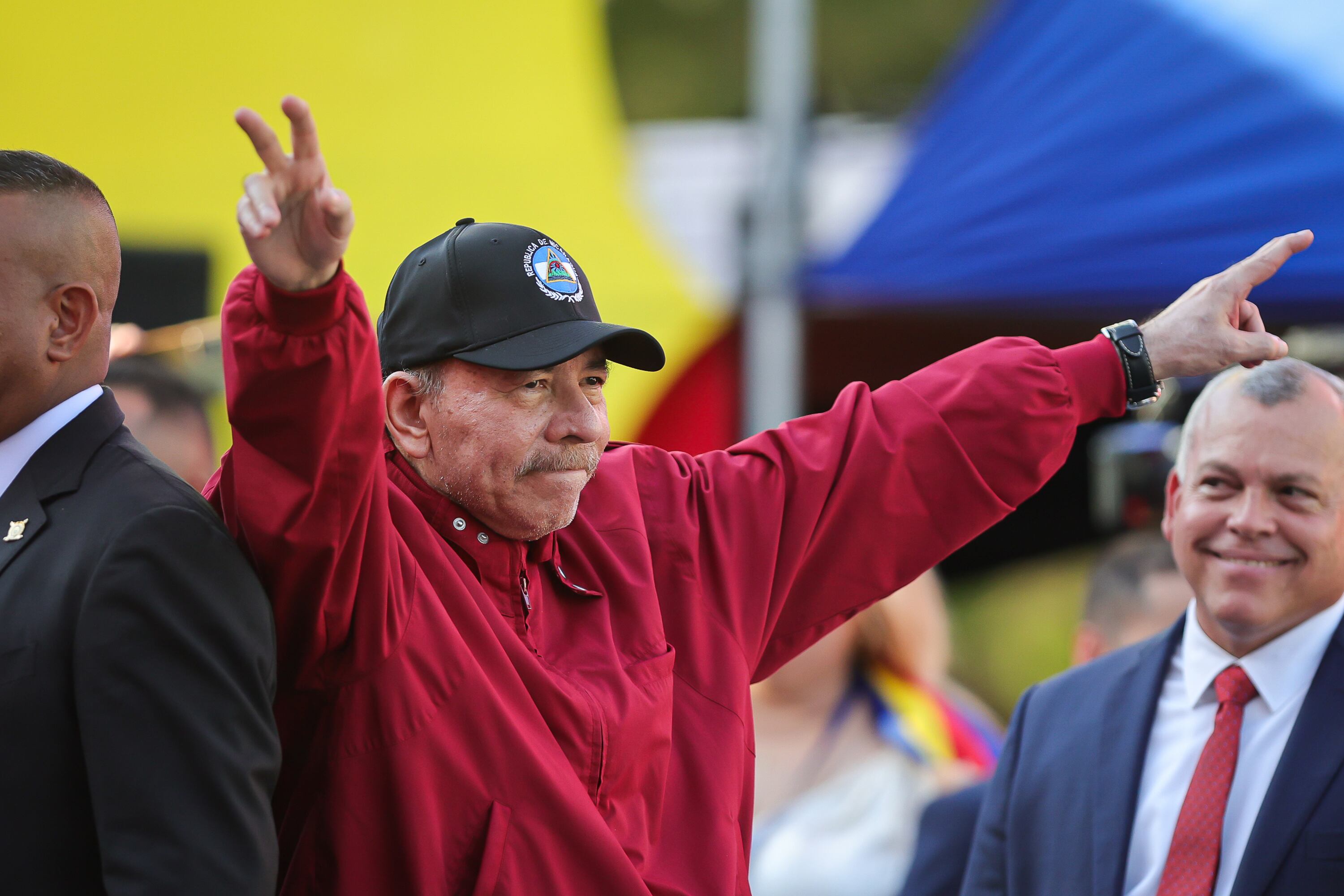
Nicaragua's presidential couple, Daniel Ortega and Rosario Murillo, are accused of exercising absolute control over the nation's judiciary, police, parliament, and armed forces. This consolidation of power is seen as an effort to establish a one-party regime and a ruling family dynasty. Critics have drawn parallels between Nicaragua's political trajectory and that of North Korea, suggesting the country is becoming the "North Korea of America." The elimination of electoral opposition and the concentration of state apparatus under the executive branch are central to these concerns. This situation raises questions about democratic governance and the future of political freedoms in Nicaragua.
The concentration of power within Nicaragua's executive branch, encompassing judicial, legislative, and security apparatus, suggests a systemic move toward authoritarianism. This consolidation, aimed at establishing a de facto one-party state and dynastic succession, potentially erodes institutional checks and balances crucial for democratic stability. Such a trajectory, if unchecked, could lead to increased international isolation and domestic dissent, driven by the suppression of political pluralism. The long-term implications for Nicaragua's economic development and social cohesion warrant careful consideration within the context of global governance trends.
AI-generated to prompt reflection — not editorial opinion, not advice, not a statement of fact. How this works.