Osaka Capital Bill Passes by Narrow Two-Vote Margin
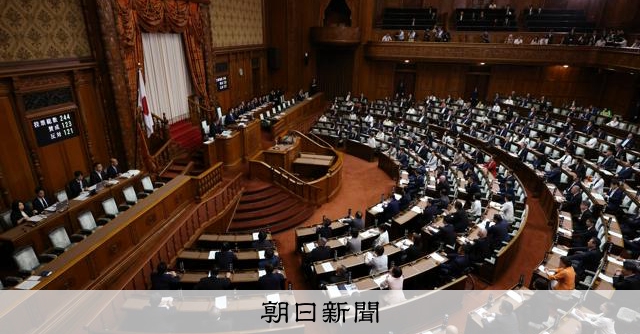
A bill to establish an alternative capital function, effectively designating Osaka as a secondary capital, has narrowly passed the Diet by a margin of just two votes. The legislation aims to decentralize essential government functions and create a backup capital in case of emergencies or disasters affecting Tokyo. Proponents argue that this move is crucial for national resilience and ensuring the continuity of government operations. However, critics voiced concerns that the decision was predetermined, with the focus being on "Osaka first" rather than a comprehensive evaluation of the best location for a secondary capital. The debate highlighted the urgency of addressing Tokyo's overconcentration of power and resources, but the close vote suggests significant division regarding the implementation and rationale behind the new law. The law's passage marks a significant step in Japan's long-term urban planning and disaster preparedness strategies.
The passage of the secondary capital law, driven by a narrow two-vote margin, underscores a complex interplay of national resilience planning and regional political dynamics. While the stated objective is to mitigate risks associated with Tokyo's concentration of power and potential disaster vulnerability, the "Osaka first" sentiment suggests that the decision may be influenced by pre-existing regional development agendas. This approach raises questions about the long-term efficiency and equity of such a decentralized model, particularly concerning the allocation of resources and administrative responsibilities. Future governance will need to navigate the potential for inter-city competition and ensure that the operationalization of a secondary capital genuinely enhances national stability without exacerbating regional disparities. The legislative process itself highlights the challenges of achieving consensus on critical infrastructure and strategic planning in a rapidly evolving geopolitical and technological landscape.
AI-generated to prompt reflection — not editorial opinion, not advice, not a statement of fact. How this works.