Osaka City Abolition Debate: Opposition's Powerful Phrase Sparks Linguistic Battle
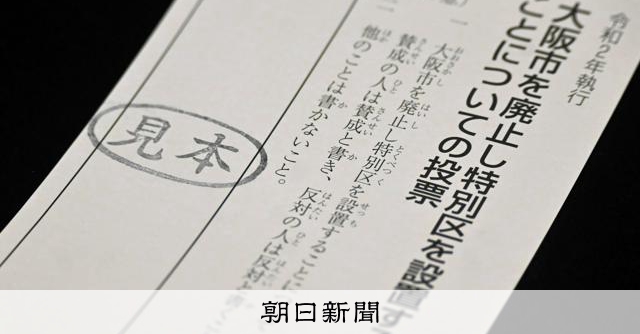
The phrase "abolition of Osaka City" has emerged as a potent term for opponents of the "Metropolis Plan" (Tokozo), a proposed administrative reform for Osaka. This linguistic choice highlights a significant battle over public perception and framing in the ongoing debate. Supporters of the Metropolis Plan aim to reorganize Osaka into special wards, similar to Tokyo's structure, arguing it will lead to greater efficiency and administrative simplification. However, opponents contend that the plan effectively means dissolving Osaka City as an independent entity, leading to a loss of its historical identity and administrative autonomy. The debate over the terminology underscores the deep divisions within Osaka regarding its future governance. The opposition's use of "abolition" aims to evoke strong public sentiment against the perceived dismantling of the city. This strategy seeks to mobilize voters who are concerned about the potential negative consequences of the proposed reforms. The framing of the issue through such powerful language is a critical component of the political maneuvering surrounding the Metropolis Plan.
The framing of the Osaka Metropolis Plan debate, particularly the opposition's emphasis on "abolition of Osaka City," illustrates the power of narrative in shaping public opinion on administrative reforms. This linguistic strategy aims to tap into emotional responses and historical identity, potentially overshadowing the technical merits or demerits of the proposed structural changes. From a governance perspective, the core issue is whether a more decentralized, ward-based system offers superior public service delivery and fiscal management compared to the current unitary city structure. The debate highlights a common tension in urban governance: the trade-off between administrative efficiency and the preservation of local identity and autonomy. Future urban planning will likely grapple with balancing these competing demands, especially as technological advancements enable new forms of decentralized service provision while also potentially concentrating power.
AI-generated to prompt reflection — not editorial opinion, not advice, not a statement of fact. How this works.