Osaka City Faces Landfill Crisis, Seeks Help from Neighboring Municipalities
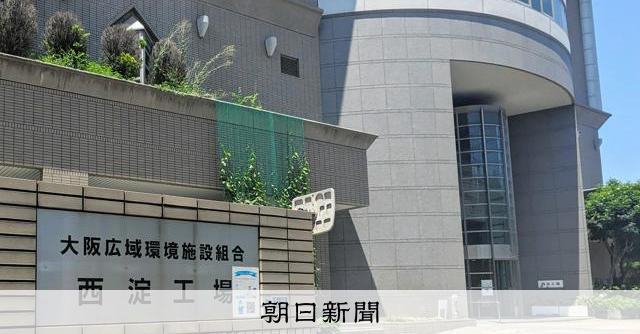
Osaka City is facing a critical shortage of space at its waste incineration facilities, leading to an inability to process all incoming garbage. Consequently, the city, along with other municipalities in the region, plans to request assistance from neighboring local governments to accept their waste. This situation highlights a growing challenge in waste management across urban areas, where existing infrastructure is struggling to keep pace with increasing waste generation. The exact capacity of the affected incineration plants and the projected volume of waste that cannot be processed have not been detailed. However, the need to seek external solutions indicates a significant strain on Osaka's current waste disposal capabilities. The specific municipalities that will be approached for assistance and the timeline for these requests remain to be announced. This development underscores the complex logistical and environmental considerations involved in managing urban waste streams effectively.
The strain on Osaka's waste incineration capacity points to a systemic challenge in urban planning and resource management. As populations grow and consumption patterns evolve, municipal waste infrastructure requires continuous adaptation and expansion. The reliance on neighboring municipalities for waste disposal suggests a potential lack of foresight in long-term capacity planning or unforeseen increases in waste volume. This situation may prompt a broader regional dialogue on shared waste management responsibilities and the economic implications of inter-municipal waste transfer. Future strategies will likely need to balance traditional disposal methods with increased investment in waste reduction, recycling, and advanced processing technologies to ensure long-term sustainability and avoid such critical shortages.
AI-generated to prompt reflection — not editorial opinion, not advice, not a statement of fact. How this works.