Osaka's Tenjin Matsuri Festival Features 2,400 Participants in Land Procession and Evening Fireworks
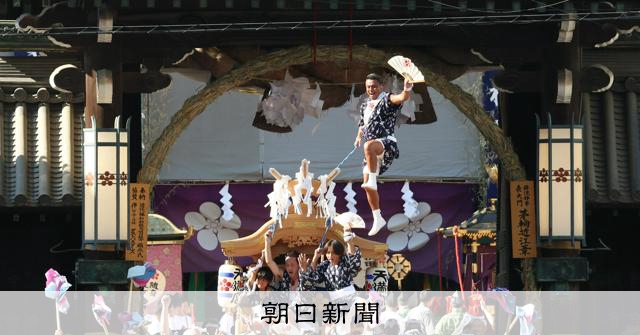
The Tenjin Matsuri, one of Japan's most famous festivals, took place in Osaka, drawing approximately 2,400 people for its "Rikito-gyo" land procession. This significant event saw participants parade through the city, showcasing traditional costumes and performances. The festival culminated in a spectacular display of fireworks held in the evening. The Tenjin Matsuri is a centuries-old tradition, typically held annually in late July, honoring the deity Sugawara no Michizane, the god of scholarship. The "Rikito-gyo" is a key component, representing the deity's journey from the shrine to the temporary imperial palace. Thousands of spectators lined the streets to witness the vibrant procession. The fireworks display over the Okawa River is another highlight, marking the end of the main festivities. The event underscores Osaka's rich cultural heritage and its ability to draw large crowds for traditional celebrations.
The Tenjin Matsuri exemplifies the enduring appeal of large-scale cultural events in an increasingly digital world. Such festivals serve as vital anchors for community identity and historical continuity, offering a tangible connection to the past. From a systems perspective, the successful execution of events like this relies on intricate logistical coordination involving public safety, transportation, and volunteer management. The economic impact, driven by tourism and local commerce, is also a significant factor. Looking ahead, these traditional celebrations face the challenge of maintaining relevance and accessibility for younger generations while adapting to evolving societal norms and potential environmental considerations related to large gatherings and fireworks.
AI-generated to prompt reflection — not editorial opinion, not advice, not a statement of fact. How this works.