Osaka Station's New Sculpture Sparks Debate Online, Labeled 'Exclusionary Art'
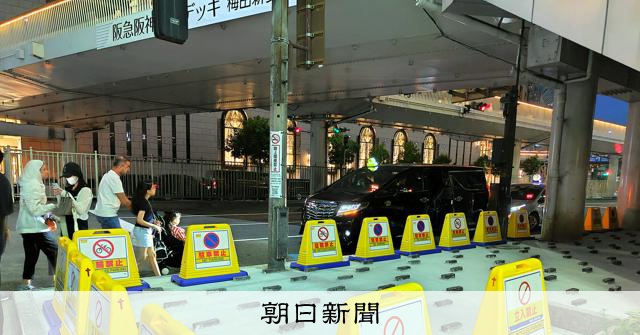
A new, protruding art installation has appeared in front of Osaka Station, igniting a lively debate on social media. The artwork has drawn mixed reactions from the public, with many expressing their opinions online. Some netizens have pointed out that the sculpture's design might be interpreted as 'exclusionary art.' This designation suggests that the artwork's form or placement could be seen as intentionally discouraging or preventing certain groups of people from accessing or interacting with the space. The nature of the protrusions and their potential impact on public accessibility are central to the ongoing discussion. The debate highlights differing perspectives on public art and its role in urban environments. As the conversation continues, the installation has become a focal point for discussions about urban design, accessibility, and artistic intent in Osaka.
The emergence of this sculpture in a high-traffic public space like Osaka Station invites scrutiny of its design and potential societal implications. While artistic expression is valued, installations in public areas should consider their impact on diverse user groups. The 'exclusionary art' label suggests a potential conflict between aesthetic goals and principles of universal accessibility and social inclusion. Future urban art projects could benefit from more robust community consultation and design reviews to ensure that public spaces remain welcoming and functional for everyone, aligning artistic vision with equitable urban planning.
AI-generated to prompt reflection — not editorial opinion, not advice, not a statement of fact. How this works.