Osasco: Sabesp sewage work causes sinkhole, three homes evacuated
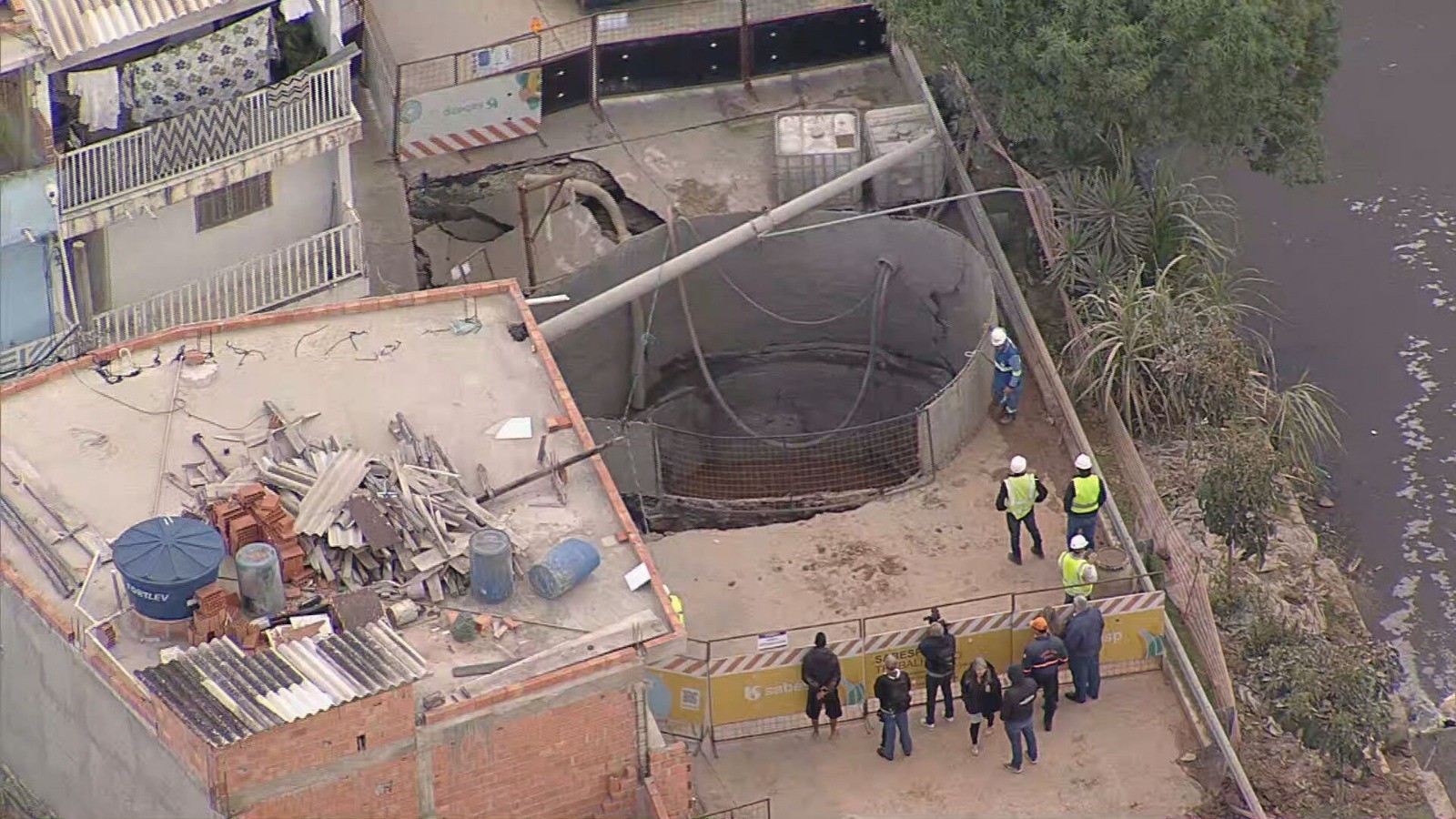
A sinkhole opened up on Rua Cuiabá in the Rochdale neighborhood of Osasco, Brazil, during sewage system construction by Sabesp, aimed at cleaning up local streams. The ground collapse necessitated the precautionary evacuation of three nearby homes. Fortunately, no injuries were reported. The Civil Defense is monitoring the ongoing situation, and the Osasco City Hall has been notified. Sabesp stated the incident occurred during the excavation of a service pit for the new sewage infrastructure. Soil movement caused cracks and fissures in the three houses adjacent to the construction site. Sabesp has committed to providing emergency financial assistance (Pix) to the affected families, along with support and shelter until they can safely return home. Social assistance and engineering teams are on-site to aid residents, conduct technical assessments, and determine the cause of the incident. The company has pledged comprehensive support and full repair of all damages, addressing each case individually. This event follows a pattern of recent Sabesp construction issues in the metropolitan region, including road closures, pipe bursts, and ground subsidence in various cities, which have required Civil Defense intervention and traffic diversions. Notably, a water main rupture occurred on July 6th in São Bernardo do Campo during sanitation system expansion work. In June, Sabesp acknowledged employee protocol failures led to a gas leak in downtown São Paulo on June 4th, just days after announcing new safety measures following a May incident in Jaguaré where two people died. The Jaguaré case remains under investigation.
The repeated ground subsidence and infrastructure failures during Sabesp's sanitation projects highlight potential systemic issues in project planning, execution, and oversight. While Sabesp has pledged support and repairs, the recurring nature of these incidents across multiple municipalities suggests a need for a deeper review of engineering protocols, risk assessment methodologies, and on-site supervision, particularly concerning soil stability during excavation. The company's acknowledgment of protocol breaches in a separate gas leak incident further underscores the importance of robust safety management systems. Moving forward, a focus on predictive modeling for soil conditions and enhanced real-time monitoring during construction could mitigate future disruptions and ensure public safety, aligning with the long-term infrastructural demands of a growing urban environment.
AI-generated to prompt reflection — not editorial opinion, not advice, not a statement of fact. How this works.