Osong Disaster Survivors and Families Suffer Widespread Sleep, Depression, and PTSD
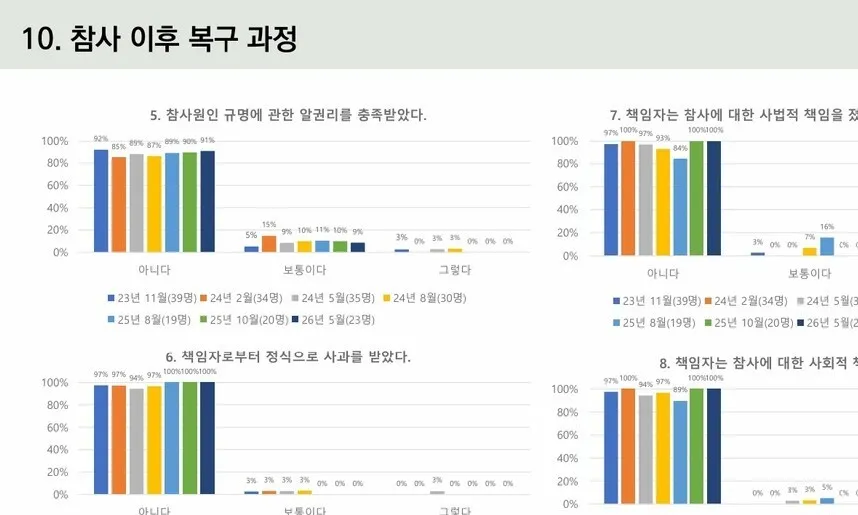
A significant portion of survivors and bereaved families of the Osong disaster are experiencing severe mental health issues, including sleep disturbances, depression, and post-traumatic stress disorder (PTSD). The disaster, which occurred in Osong, South Korea, resulted in numerous casualties and widespread damage. Many individuals who lived through the event or lost loved ones are struggling with the psychological aftermath.
These mental health challenges are impacting daily life and overall well-being for those affected. The prevalence of these conditions highlights the profound and lasting trauma experienced by the community. Efforts to provide psychological support and resources are crucial for the recovery process of the survivors and families.
The Osong disaster underscores the critical need for comprehensive psychological support systems following large-scale tragedies. Beyond immediate rescue and recovery, the long-term mental health consequences for survivors and affected families represent a significant societal burden. Addressing widespread sleep disturbances, depression, and PTSD requires sustained investment in mental healthcare infrastructure and accessible therapeutic services. Future disaster preparedness strategies must integrate robust psychological first aid and ongoing mental health monitoring as standard components, acknowledging that trauma's impact extends far beyond the physical event itself. This situation prompts consideration of how societal structures can better support individuals navigating profound grief and trauma, fostering resilience through proactive and empathetic care.
AI-generated to prompt reflection — not editorial opinion, not advice, not a statement of fact. How this works.