Osvaldo Cruz Roadwork Begins to Stabilize Large Crater Blocking Key Access Route
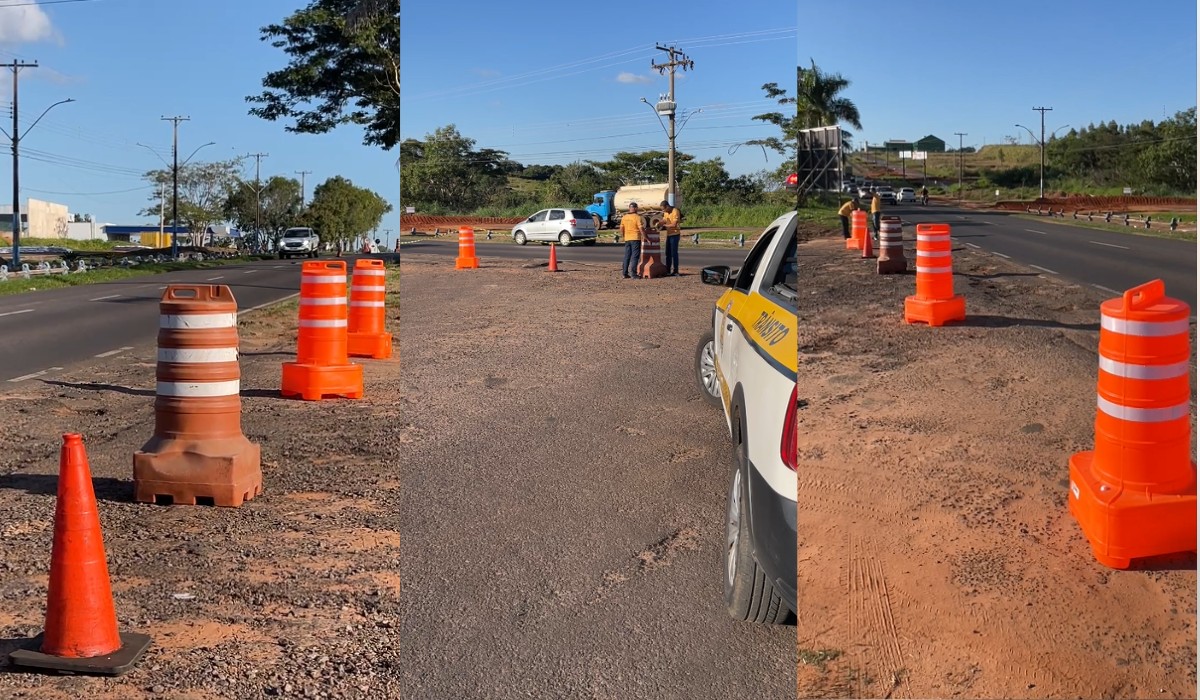
Construction has commenced on Monday, January 13th, to address a significant erosion problem that has blocked a primary access road to Osvaldo Cruz, São Paulo. The Avenida José Martins, a crucial link between the Alberto Lang neighborhood and the main access route, has been closed for these operations, impacting local traffic. The adjacent cycle path is also inaccessible. The municipal government plans to construct containment basins for rainwater as part of a broader project to repair erosion along Alameda Vasco Pigozzi, aiming to enhance the area's drainage system and infrastructure resilience. The site is properly marked and monitored by the Municipal Traffic Department, with drivers advised to exercise caution and seek alternative routes to and from the Alberto Lang neighborhood. The issue originated on January 2nd when heavy rainfall of 60.7 millimeters caused a landslide, creating a crater approximately 20 meters deep. This affected stretch, located between Posto Cico and the Casul cooperative, connects Osvaldo Cruz's urban area to the Rodovia Comandante João Ribeiro de Barros (SP-294). Weeks prior, the area showed signs of instability with a crack leading to a partial closure. The situation worsened in June after nearly 90 millimeters of rain caused the erosion to expand, threatening the cycle path. The Osvaldo Cruz prefecture has contracted a company for emergency repairs costing R$4.77 million, funded by the São Paulo State Government through the State Civil Defense. The municipality has completed land expropriation and secured technical approval for the recovery plan, emphasizing the project's importance for stabilizing the area and restoring access.
The extensive rainfall events in Osvaldo Cruz highlight the vulnerability of local infrastructure to extreme weather, a growing concern in an era of climate change. The municipal government's response, involving emergency contracting and state funding for erosion control and drainage improvements, addresses immediate needs. However, the R$4.77 million investment underscores the significant costs associated with repairing damage from inadequate prior infrastructure planning or maintenance. Future urban planning must integrate robust, climate-resilient drainage and land stabilization measures to mitigate the recurring risks and financial burdens posed by such natural events, potentially through updated building codes and land-use regulations that account for projected rainfall intensity.
AI-generated to prompt reflection — not editorial opinion, not advice, not a statement of fact. How this works.