Oswald Mathias Ungers: Celebrating a Century of a Visionary Architect
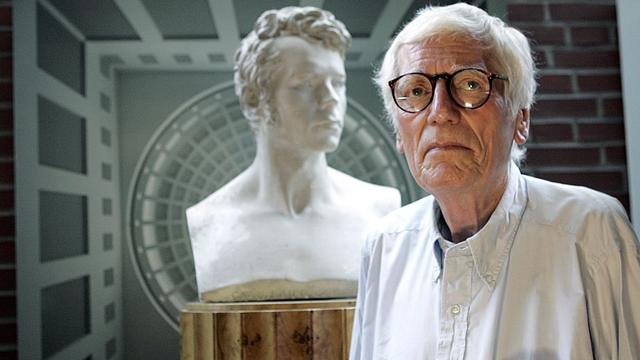
This year marks the 100th birthday of Oswald Mathias Ungers, a highly influential German architect and urban planner. Known for his rigorous and often monumental approach to design, Ungers left a significant mark on architectural discourse and practice. His work is characterized by a deep engagement with form, space, and historical context, often resulting in buildings that possess a powerful, almost sculptural presence. Ungers was not only a practicing architect but also a prominent educator, shaping generations of students at various institutions, including Cornell University and the Technical University of Berlin. His theoretical contributions explored the relationship between architecture and the city, advocating for a rational and systematic approach to urban development. The centenary of his birth offers an opportunity to reflect on his enduring legacy and his profound impact on modern architecture. His designs, though sometimes perceived as austere, are celebrated for their intellectual depth and their ability to create enduring public spaces. The anniversary serves as a reminder of his critical role in shaping architectural thought in the late 20th century.
The centenary of Oswald Mathias Ungers' birth invites a re-evaluation of his architectural philosophy within the context of contemporary urban challenges. Ungers' emphasis on rational design and systematic urban planning, while influential, may present a contrast to today's demands for adaptive, sustainable, and community-centric urban environments. His legacy prompts consideration of how architectural principles evolve to meet new societal needs, balancing formal rigor with flexibility and inclusivity. The enduring relevance of his work lies in its intellectual foundation, offering a framework for understanding the fundamental relationship between built form and urban identity, which remains critical for navigating future development.
AI-generated to prompt reflection — not editorial opinion, not advice, not a statement of fact. How this works.