Ourinhos Municipality Declares Financial Public Calamity
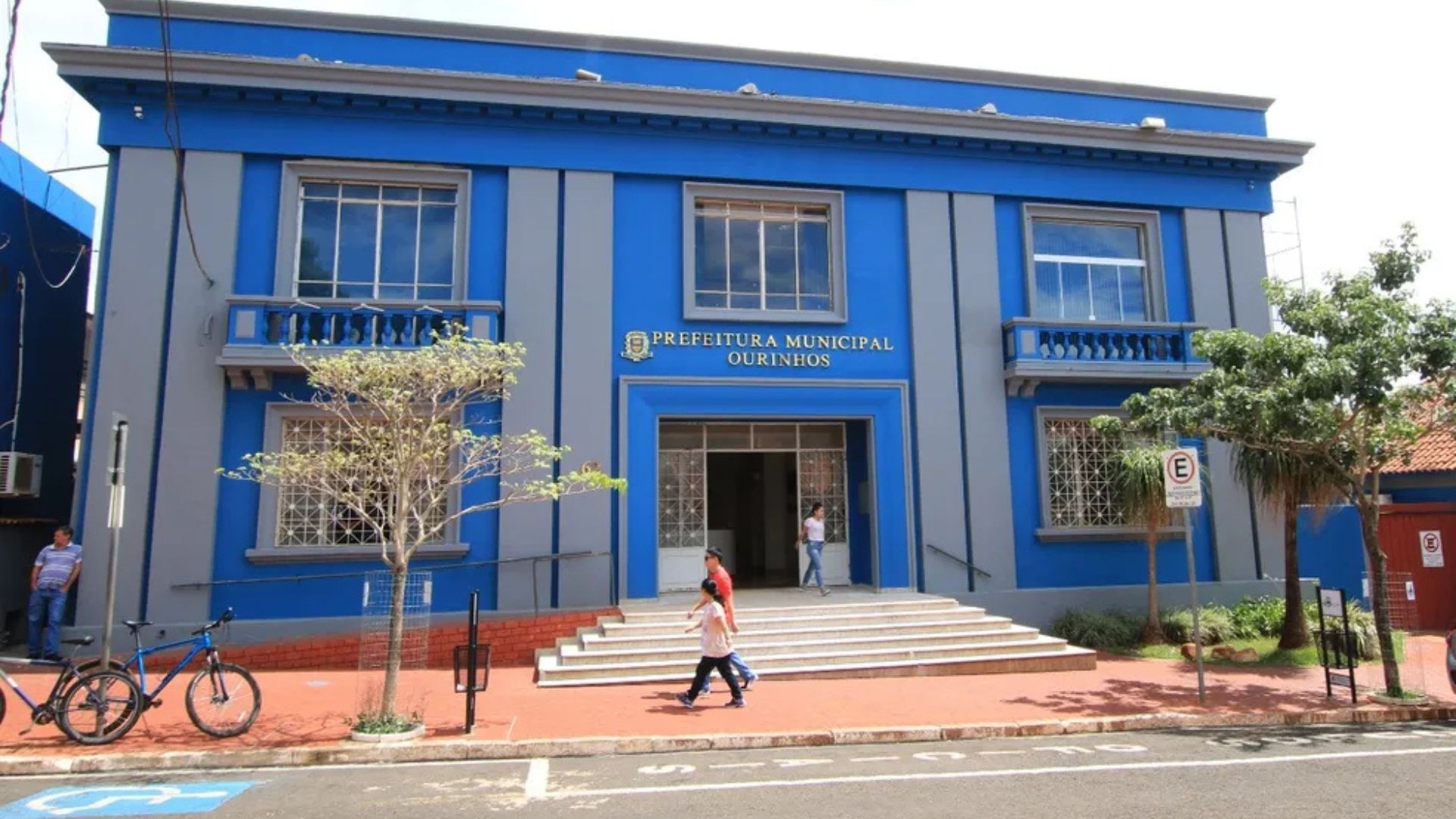
The Municipality of Ourinhos, in São Paulo state, has officially declared a state of financial public calamity. This measure, published on Monday, October 13th, was prompted by a technical assessment revealing a severe imbalance in the city's fiscal, financial, and budgetary accounts. The current administration, led by acting mayor Alexandre Araújo Dauage, stated that the declaration is essential to reorganize the municipality's finances without disrupting essential public services. The financial situation has compromised the city's ability to meet its payment obligations and maintain regular public services. Declaring a financial public calamity officially acknowledges fiscal collapse and difficulties in honoring basic commitments. This allows for emergency actions such as expense containment, temporary suspension of new investments, projects, and hiring, and seeking flexibility in deadlines and limits under the Fiscal Responsibility Law. The acting mayor emphasized that this step is necessary to preserve the municipality's financial capacity and ensure service continuity. The administration pledges transparency, promising regular reports on financial status, revenue, expenses, debt, and the results of recovery measures. Absolute priority will be given to spending on Health, Education, Social Assistance, Public Security, Urban Cleaning, medication supply, school transportation, employee payments, and court-ordered obligations. The decree was issued while the municipality is under the leadership of Alexandre Araújo Dauage, who assumed the role of acting mayor after the 90-day suspension of Mayor Guilherme Gonçalves on June 30th. Gonçalves's suspension, ordered by the Public Prosecutor's Office of São Paulo, stems from a civil public action for administrative misconduct, investigating alleged irregularities in the outsourcing of early childhood education activities.
The declaration of financial public calamity by the Ourinhos municipality highlights systemic fiscal pressures that can affect local governance. Such declarations, while enabling emergency measures, signal a critical juncture where fiscal discipline and responsible resource management are paramount. The situation underscores the importance of robust oversight mechanisms and transparent financial reporting to rebuild public trust and ensure long-term fiscal health. Looking ahead, the municipality's ability to navigate this crisis will depend on its capacity to implement sustainable reforms, potentially leveraging technological solutions for efficiency and data-driven decision-making, while balancing immediate service needs with future fiscal stability. The underlying issues may reflect broader challenges in municipal finance, necessitating a review of intergovernmental fiscal relations and local revenue generation strategies.
AI-generated to prompt reflection — not editorial opinion, not advice, not a statement of fact. How this works.