Ousted Turkish Opposition Leader Forms New Political Party
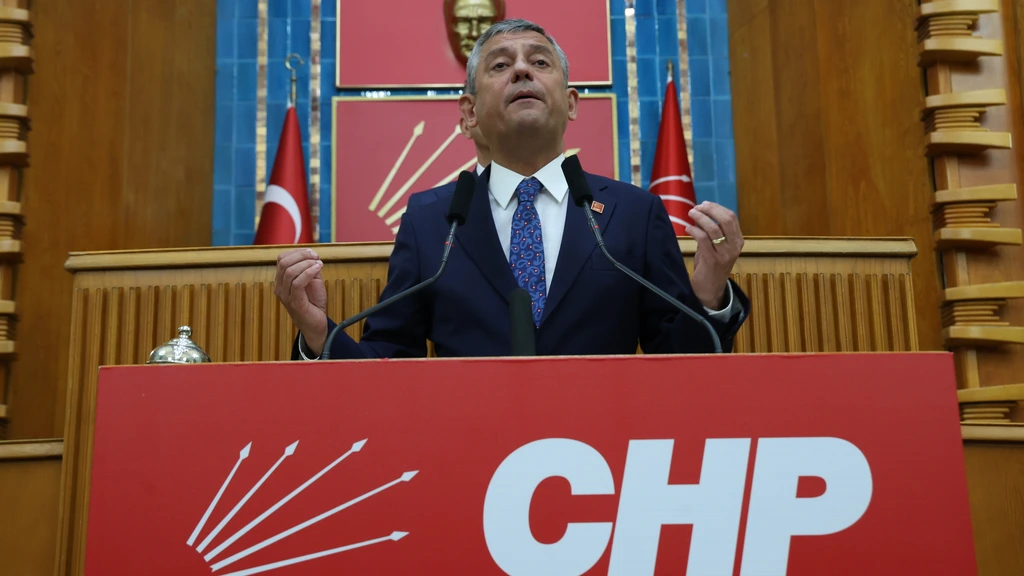
Özgür Özel, the recently ousted leader of Turkey's main opposition party, the Republican People's Party (CHP), has announced his intention to form a new political party. Özel stated in parliament today that he is formally parting ways with the century-old CHP, marking a significant break from the party where he was elected leader at its 2023 congress. The name and official registration date of the new party have not yet been disclosed. Özel described the move as a "painful but inevitable farewell" and expressed hope for a "new beginning." His ouster follows a court ruling in May that invalidated the 2023 CHP party congress due to irregularities in the leadership election, reinstating former leader Kemal Kilicdaroglu. Kilicdaroglu himself lost the 2023 presidential election to President Erdogan. This development is seen as part of a broader trend of increasing pressure on the Turkish opposition, with the CHP and international human rights groups alleging politically motivated persecution of President Erdogan's opponents. Numerous CHP officials have been arrested or removed from their positions in recent years. Notably, the mayor of Izmit, Fatma Kaplan Hürriyet, was arrested yesterday on corruption charges, which she denies. The earlier arrest of Istanbul Mayor Ekrem Imamoglu, a prominent rival of Erdogan, sparked widespread protests. Organizations like Amnesty International and Human Rights Watch have characterized legal cases against opposition politicians as political intimidation.
The formation of a new party by Özgür Özel, following his judicial ouster from the CHP, highlights the intense political pressures within Turkey's opposition landscape. This move, framed by Özel as both a painful departure and a hopeful new start, occurs amidst broader allegations of politically motivated legal actions against opposition figures, as noted by human rights organizations. Such judicial interventions in party leadership can destabilize established political structures and potentially fragment opposition movements, impacting their collective ability to challenge the incumbent government. The long-term implications may involve a reshuffling of opposition alliances and strategies, particularly as key figures like Istanbul Mayor Ekrem Imamoglu also face legal scrutiny. This dynamic raises questions about the resilience of democratic institutions and the evolving nature of political competition in Turkey over the next decade, especially concerning the interplay between judicial processes and political power.
AI-generated to prompt reflection — not editorial opinion, not advice, not a statement of fact. How this works.