Outdated Tech and Aging Volunteers Challenge Rescue Services
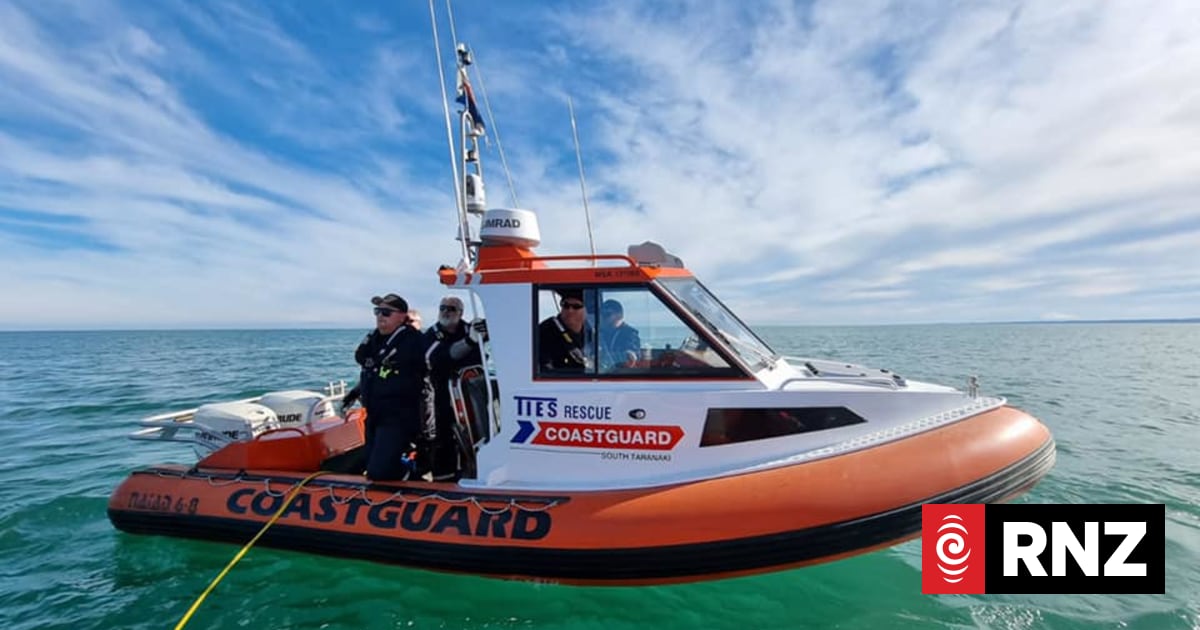
Search and rescue organizations are initiating a telecommunications review to address persistent communication gaps. This review aims to modernize their systems and keep pace with rapidly evolving technology. The current challenges stem from reliance on older equipment and a shrinking pool of experienced radio operators. Many dedicated volunteers who have supported these services for years are now retiring, taking with them invaluable knowledge and operational expertise. This transition period highlights the urgent need for new personnel and updated infrastructure. Without these changes, the effectiveness and response times of rescue operations could be significantly compromised. The review will assess current communication protocols and identify areas for technological upgrades. It is crucial for ensuring the safety and efficiency of future rescue missions.
The reliance on aging technology and a retiring volunteer base presents a systemic challenge for search and rescue services. This situation highlights a common issue in specialized fields where institutional knowledge is concentrated in an aging demographic, and technological adoption lags. The review initiated by these groups is a necessary step towards modernizing their operational capabilities. Future challenges will involve not only technological upgrades but also robust succession planning and training programs to attract and retain a new generation of skilled personnel. The long-term viability of these services depends on their ability to adapt to both technological advancements and demographic shifts, ensuring they can effectively meet critical public safety needs in the coming decade.
AI-generated to prompt reflection — not editorial opinion, not advice, not a statement of fact. How this works.